Values vs. Interests : MOU Without Meaningful Human Rights Amid Regime Atrocities
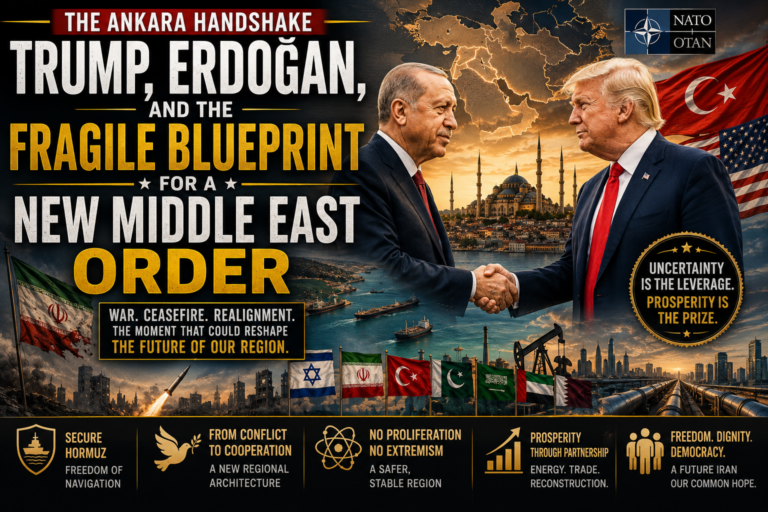
In the aftermath of the past six months—marked by the devastating 12-day war between Israel and Iran, the extensive American air campaign against Iran, and the horrific massacre of 42,000 innocent Iranian protestors by the Islamic Republic in December 2025 and January 2026—recent developments have only deepened the sense of injustice. The recent Memorandum of Understanding (MOU) signed by President Trump with the Iranian government, celebrated with much fanfare, has glaringly overlooked one crucial and heartbreaking issue: the plight of the Iranian people themselves.
While American and Iranian officials negotiated, the Iranian regime continued its relentless repression. Reports indicate 3-7 executions per day, with thousands rounded up daily. Human rights violations are rampant, dissidents are systematically abused, and the number of political prisoners has reached unprecedented levels. Poverty is widespread, yet the regime’s officials and elite enjoy privileged lives, with their children living comfortably in the West.
Has the world—and America, as the self-proclaimed leader of the free world—betrayed the Iranian people, leaving them vulnerable and abandoned? The current US-Iran MOU framework has profoundly sidelined the Iranian population, reflecting a recurring and troubling pattern in international diplomacy: prioritizing short-term security and geopolitical interests over confronting the regime’s brutal domestic repression. This is deeply painful for advocates who have long documented the immense human cost, and it echoes the shortcomings of previous agreements, such as the JCPOA. Despite ongoing negotiations, the regime’s internal campaign of terror continues unabated, leaving the Iranian people to bear the consequences alone.
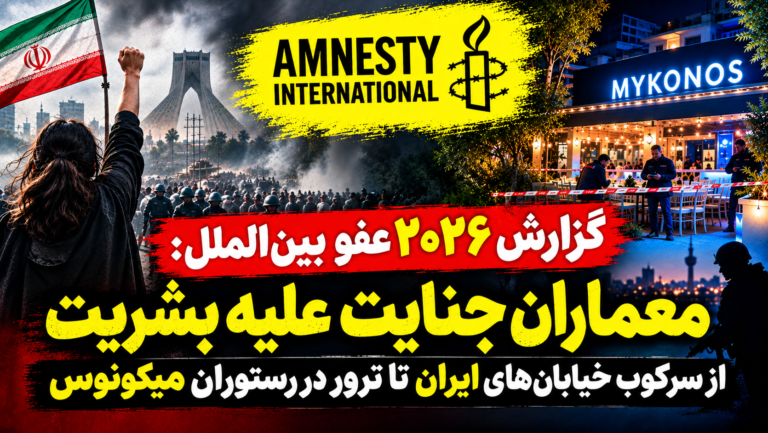
Iranian authorities have sharply escalated repression, exploiting “wartime conditions” as a pretext for sweeping crackdowns—including mass arrests, unfair trials, and a surge in executions. According to key reports from Amnesty International, Human Rights Watch (HRW), the United Nations, and Iran Human Rights (IHR), Iran has carried out its highest number of executions in decades. In 2025 alone, at least 2,159 executions were recorded by Amnesty, with the pace accelerating into 2026. At peak periods, reports indicate an average of 3 to 7 or more executions per day, including numerous political cases.
Since early 2026, following widespread uprisings and armed conflict, at least 28 to 43 politically motivated executions have been documented. These include protesters from the December 2025 and January 2026 uprisings, dissidents, and individuals accused of links to opposition groups such as the PMOI/MEK. Many executions are carried out in secret, often without notifying families.
Recent protest waves have led to the arrest of thousands—estimates suggest around 50,000 detained in a single crackdown. Hundreds remain political prisoners, with dozens (including individuals who were children at the time of their alleged offenses) facing death sentences. Earlier in 2026, at least 78 prisoners were reported at imminent risk of execution. Prison protests, including hunger strikes, have been met with threats and further repression.
The authorities continue to rely on torture-tainted trials, arbitrary detentions, asset seizures, and enforced disappearances. Ethnic minorities, particularly Kurds and Baluchis, are disproportionately targeted. There is systemic impunity for past and ongoing crimes against humanity.
Meanwhile, widespread poverty and economic hardship—exacerbated by sanctions and ongoing conflict—contrast starkly with the lifestyles of regime elites. The so-called “aghazadeh” phenomenon sees the children and relatives of officials living lavishly abroad, especially in the US and Europe, often funded by state resources. This hypocrisy—promoting anti-Western rhetoric while securing privileges for their own families in the West—remains a deep source of public anger and resentment.
These abuses are not isolated incidents but part of a deliberate, coordinated strategy to crush dissent and maintain control amid perceived regime vulnerability following recent conflicts and uprisings.
The draft Memorandum of Understanding (MOU), as reported by Iranian media and mediators, centers on several key points:
- Ceasefire: Encompassing not only Gaza but also Lebanon, aiming to halt regional hostilities.
- Reopening of the Strait of Hormuz: Ensuring the resumption of vital maritime trade routes.
- Sanctions Relief: Gradual unfreezing of approximately $24 billion in Iranian assets, phased over time.
- Nuclear Restrictions: A commitment to renewed nuclear limits, to be negotiated within a 60-day framework.
Notably, the draft lacks explicit, enforceable human rights conditions or benchmarks for Iran’s internal conduct. While some U.S. statements (including those from former President Trump) have alluded to the possibility of withholding full sanctions relief in response to violent protest suppression, such provisions are not central to the reported framework and lack robust verification mechanisms.
This approach reflects a longstanding diplomatic tendency to separate nuclear nonproliferation concerns from domestic governance issues. The prevailing realist perspective holds that attempts at regime change through external pressure have yielded mixed results historically and risk further instability. The immediate goal of the deal is de-escalation following direct conflict, effectively buying time for all parties. However, there is a significant risk that sanctions relief could inadvertently strengthen the regime’s repressive apparatus—funds may indirectly support the IRGC, Basij, or the prison system, without meaningful accountability.
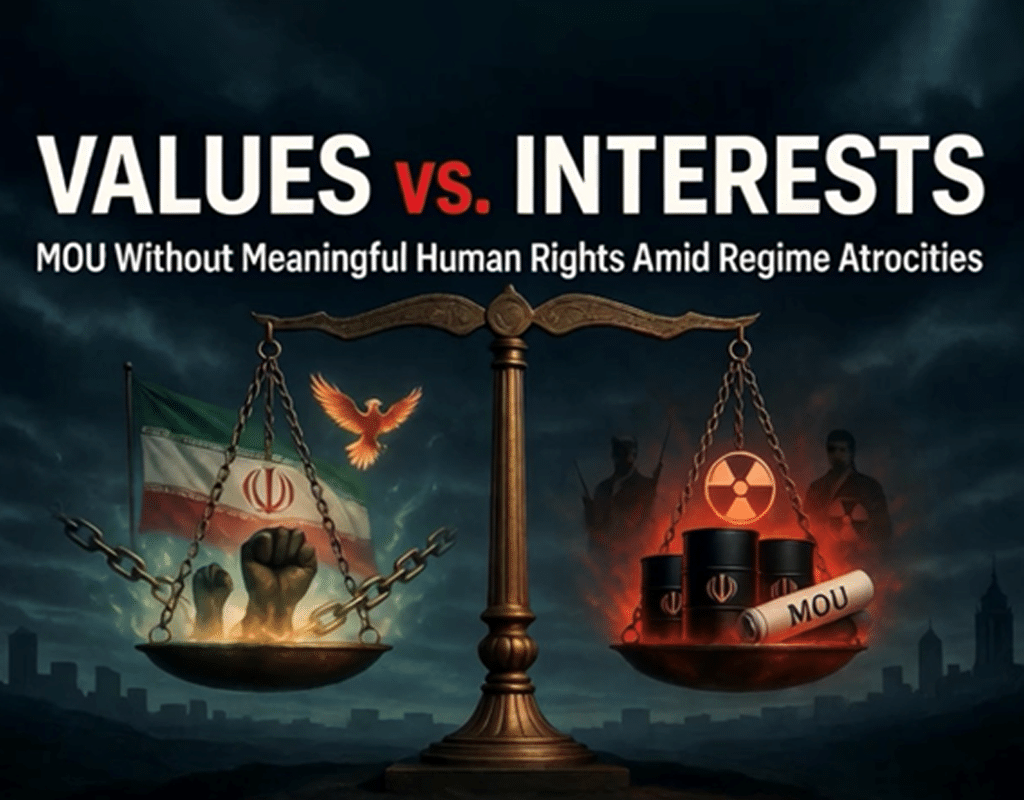
This situation underscores a fundamental debate between values and interests, with compelling arguments on both sides. By not rigorously conditioning relief on verifiable human rights improvements—such as halting executions, releasing political prisoners, or granting access to UN rapporteurs—the current approach tacitly tolerates the regime’s abuses in exchange for a pause on nuclear and proxy threats. Previous agreements (notably during the Obama and Biden administrations) similarly prioritized engagement, achieving temporary nuclear constraints but enabling continued repression and proxy activity.
The United States, as a global leader with significant leverage (sanctions, financial systems, alliances), has the capacity to amplify the voices of the Iranian people, opposition figures (such as Reza Pahlavi and the diaspora), and civil society groups. Failure to do so—through silence or insufficient pressure—undermines U.S. credibility and morale within Iran, as reflected in protest slogans and diaspora advocacy.
On the other hand, fully linking sanctions relief to human rights improvements could derail negotiations, prolong conflict (including disruptions in the Strait of Hormuz, higher oil prices, and escalation risks), and potentially empower hardliners within the regime. U.S., Israeli, and Gulf state priorities remain focused on existential threats: nuclear breakout and proxy attacks targeting Israel. While Iran’s post-war vulnerabilities may impose some restraint, effective enforcement remains a challenge. International bodies like the UN Human Rights Council issue condemnations but lack enforcement power, and sanctions fatigue—compounded by Russia and China’s support for Iran—further limits available options.
Decades of regime behavior—marked by duplicity in negotiations and internal repression—suggest that any relief will likely be exploited to ensure regime survival and intensify crackdowns, rather than foster reform. Ordinary Iranians bear the brunt of these policies, while elites insulate themselves from consequences.
To mitigate these risks, a more robust framework could include performance-based relief with snapback mechanisms, intelligence monitoring of repression, and parallel support for civil society and the diaspora. The “maximum leverage” approach advocated by Trump and skepticism from Israel may serve as important constraints. Sustained international attention—through advocacy, memorials, and public pressure—remains crucial.
If the MOU is signed without meaningful human rights provisions, it risks perpetuating a familiar cycle: the regime gains time, intensifies repression, and rebuilds its capabilities. For Iranians, this deepens despair but may also strengthen resolve for internal change. Ultimately, global security is intertwined with the fate of Iran’s people—unaddressed repression fuels the regime’s ideological export and regional destabilization.