
...

Leadership Reflections: Vision and History in America

Taking a moment to reflect on history often reveals important insights and prompts critical questions about leadership and vision. President Jimmy Carter, widely regarded as an honorable man and a dedicated patriot, certainly had his merits. However, one must consider whether he was a truly realistic visionary in his approach to foreign policy.

One significant decision during Carter’s presidency was the handover of the Panama Canal to Panama, which has since sparked debate. Critics argue that this action, which involved transferring control for a mere $1, undermined American interests. Despite the construction and funding of the canal by American taxpayers, the U.S. continues to pay tariffs for passage, raising questions about the long-term implications of this decision.

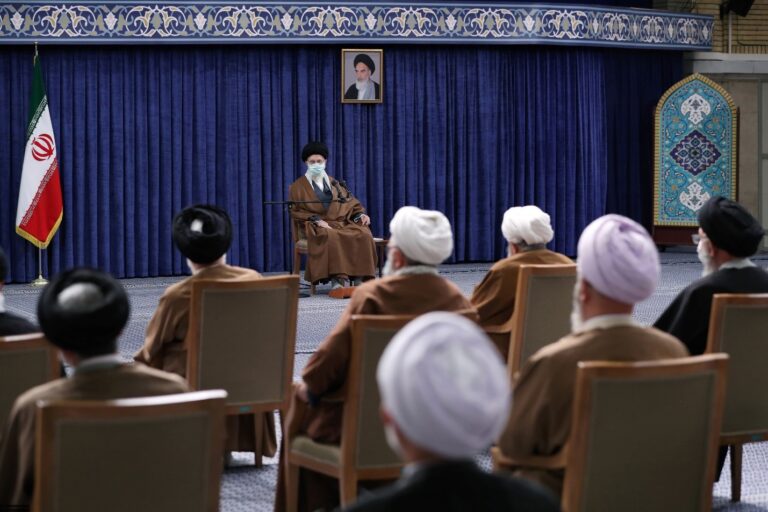
Additionally, Carter’s administration faced challenges in the Middle East, particularly regarding the Shah of Iran. His decision to support the Shah, followed by a withdrawal of support, inadvertently paved the way for the rise of fundamentalist movements in Iran and a shift in power dynamics across the region. This decision is perceived by some as gifting significant influence in the Middle East to adversarial forces, including Russia and China.

In contrast, many American statesmen and visionaries throughout history have taken bold actions that shaped the nation. Thomas Jefferson’s acquisition of the Louisiana Territory was a monumental step in expanding the United States, and he even attempted to purchase Cuba, which, had it been successful, could have provided strategic advantages both politically and economically. Similarly, William Seward’s purchase of Alaska opened vast resources, while John Quincy Adams’s acquisition of Florida was a significant territorial gain that proved beneficial.

In light of these historical precedents, it is worth considering why some Americans are quick to criticize contemporary leaders like Donald Trump for their unconventional ideas. Is this criticism rooted in unfounded negativity and a lack of understanding, or does it stem from a genuine lack of vision and historical perspective?

As we engage in these discussions, it’s essential to reflect on our own understanding of history and to evaluate the actions of our leaders with both a critical eye and an appreciation for the complexities of governance. Embracing a more informed and nuanced view can lead to richer conversations about leadership and the future of our nation.


Similar Posts

  • The Danger of Isthmus Rulers in the Middle East

    Understanding “Isthmus Rulers” and Their Authoritarian Tactics As we reflect on Middle Eastern governance, the concept of “Isthmus rulers” offers a key insight. These small, ruthless factions operate like bottlenecks in governance, where a minority maintains control through terror and disenfranchisement. Unlike traditional governments, they rely on mercenaries and mobs rather than a legitimate military…

  • Is the World Prepared for a Nuclear Ayatollah?

    Is the World Prepared for a Nuclear Ayatollah? In the aftermath of a massive American airstrike targeting Iran’s nuclear facilities at Natanz and the mountain stronghold of Fordow, the global community faces a chilling question: is the world ready for a nuclear-armed theocracy? Despite President Trump’s triumphant declarations that the underground atomic sites—buried 90 to…

  • What to Know about Globalization

    • Job Displacement: Globalization often results in the relocation of manufacturing and other services to countries where labor is cheaper, leading to job losses in more developed nations. This shift can result in significant economic and social stress for communities as they struggle to adapt to job losses and decreased wages. • Income Inequality: While…

  • Democracy and constitution

    Democracy and Common Law Frameworks: The United Kingdom exemplifies a democracy that operates without a unified, written constitution. Instead, it relies on an unwritten constitution composed of statutes, common law, conventions, and key historical documents such as the Magna Carta (1215) and the Bill of Rights (1689). These components collectively uphold principles like parliamentary sovereignty and…

  • The Dual Nature of Politics: Balancing Ruthlessness with Vision

    Politics has long been viewed as a double-edged sword, embodying both the ruthless quest for power and the visionary foresight necessary for long-term stability. This dichotomy was vividly illustrated in the period following World War II, as the world witnessed profound changes aimed at fostering peace and preventing future conflicts. The Establishment of the United…

  • New Dawn

        A New Dawn: Peace in the Middle East After Decades of Conflict The world celebrates a historic peace agreement that ends the long-standing conflict between Israelis and Palestinians, announced on October 8, 2025. This agreement, which includes the dismantling of Hamas and Hezbollah, marks a significant shift towards peace in a region plagued…

Leave a Reply

Your email address will not be published. Required fields are marked *

Seraphinite AcceleratorOptimized by Seraphinite Accelerator
Turns on site high speed to be attractive for people and search engines.