Ground Truths: Rethinking Western Foreign Policy Through Local Insights from the Middle East and Central Asia
The debate over Western foreign policy, especially in the Middle East, Central Asia, and regions like Israel and Gaza, frequently churns up a spectrum of opinions, some of them sharply polarized. Critics often point to the “mushrooming” of extremist groups and persistent instability as undeniable proof that Western strategies have not only failed but have been profoundly misguided. My take on this issue draws not just from the observable facts on the ground but also from personal conversations with ordinary people from Iran, Afghanistan, and Iraq. These individuals, though not steeped in the nuances of political or diplomatic discourse, share insights that resonate deeply with the ground realities of their countries.
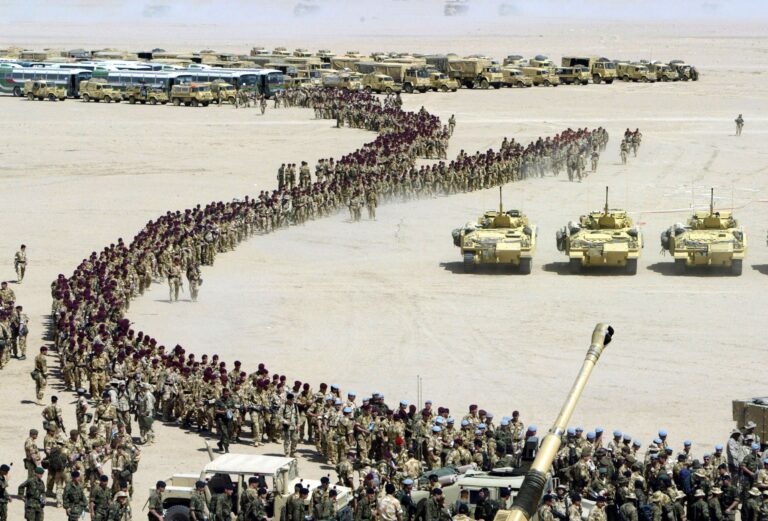
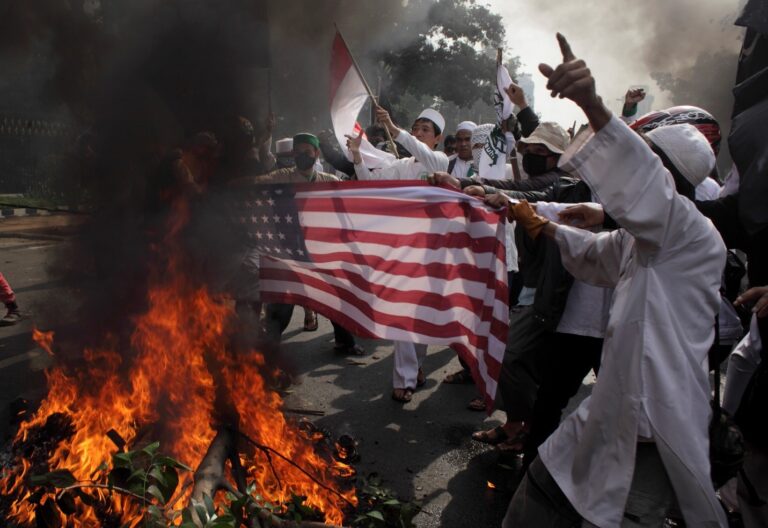
First, let’s address the visible outcomes – the ongoing turmoil in Syria, the fraught tensions in Gaza, and the rise of terrorism. These are often cited by detractors as direct results of Western intervention or interference. Whether it is the toppling of regimes or the support of certain factions over others, the long-term consequences have frequently been instability and the flourishing of extremist ideologies.
In my discussions with everyday citizens from the aforementioned countries, a common theme emerges: a sense of betrayal and mismanagement by both their governments and foreign powers. These people, from varied backgrounds, argue that while the cultural foundations of their countries are robust, they were simultaneously vulnerable due to significant challenges such as high rates of illiteracy and the “curse” of resources – a reference to the way natural resources can become a source of conflict and corruption.
Most tellingly, the citizens argue that what their countries needed was not a wholesale imposition of foreign ideologies or governance models but rather, nuanced, internal reforms. They speak to the need for “political corrective acts” – essentially a push towards governance that is transparent, accountable, and culturally congruent with the values and histories of these nations.
What I find particularly striking about these dialogues is the frequent reference to the unsuitability of solutions that have been, as one might say, served on a “silver platter”. This metaphor criticizes the tendency of foreign powers to offer ready-made solutions that do not always align with the nuanced needs of the populations they purportedly aim to help. Instead, these solutions often end up supporting corrupt elites or perpetuating harmful ideologies.
Reflecting on these conversations, it is increasingly evident that any durable solution must be rooted in the realities and specificities of each country. It calls for an understanding and an approach that respects the intricate social, cultural, and political fabrics of these nations. More than ever, it is crucial for external actors in the region to listen more intently to the voices of ordinary people – those who bear the brunt of policy failures and whose lives are directly impacted by foreign interventions.
In conclusion, as discussions about foreign policy continue to evolve, grounding these debates in the lived experiences of local populations will be key. Their insights not only challenge prevailing narratives but also offer a more grounded perspective on what truly works in fostering stability and peace in their homelands. Western policies, moving forward, would do well to embrace this form of engaged dialogue, ensuring that solutions are not only designed to be sensitive to local contexts but also directed towards sustainable and inclusive development. This, according to many of those living through the consequences of past policies, would be the wise path forward.
Europe and America
Lessons must be learned