Losing Trust: The Deterioration of Healthy Governance
The very foundation of government institutions rests on the principle of trust, established through the delegation of governance by the people to their chosen representatives. This arrangement, however temporary, can be revoked without any consequences, emphasizing the transient power given to statesmen. Every element within the governing body is held responsible and accountable; any action deemed unjust or indefensible is subject to penalties both in the people’s court and through legal proceedings.
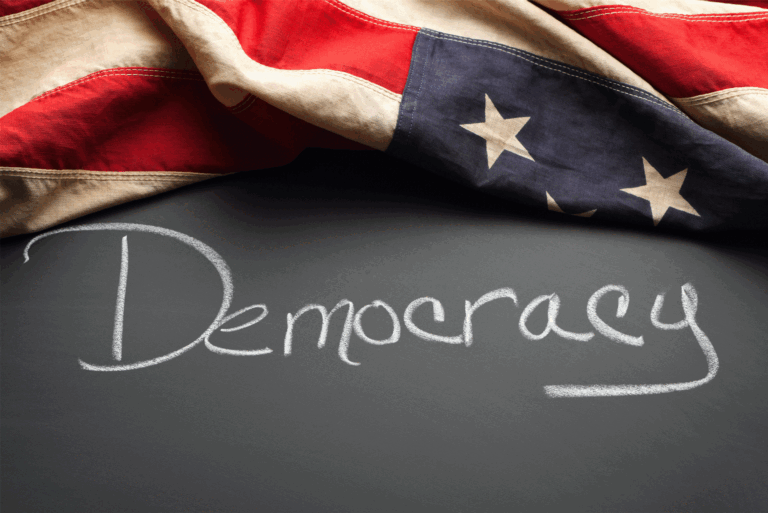
The practice of swearing an oath by presidents and governmental officials is a testament to this concept enshrined in common law. In democracies, processes ranging from elections to protests and referendums, and even to punitive measures, are conducted peacefully. From ancient Rome to the founding fathers of the United States, it has been obligatory for government officials and representatives to dedicate their lives and efforts to serve the populace at their utmost capacity, strictly for public benefit rather than personal gain or financial enrichment. Deviations from these principles lead to a departure from democratic norms, potential abuse of power, demagoguery, and ultimately, corruption and distrust.
Several recent studies and publications have delved into the levels of trust within nations and between them and international entities such as the United Nations or international courts. Noteworthy among them are:
- “Trust in International Relations: A Theoretical and Empirical Investigation”
- Authors: Contributions from various scholars.
- Overview: This book examines the formation and sustainability of trust in international relations, incorporating both empirical data and theoretical approaches.
- “The Globalization of World Politics: An Introduction to International Relations” (Latest Edition)
- Authors: John Baylis, Steve Smith, and Patricia Owens.
- Overview: A comprehensive textbook providing insight into the dynamics of international relations, including the critical role of trust in diplomacy and global institutions.
- “Trust and Mistrust in International Relations”
- Author: Richard Ned Lebow.
- Overview: This work explores the impact of trust on international cooperation and state behavior, with analysis on historical and contemporary events.
- Pew Research Center Reports
- Overview: Regular surveys measuring public opinions on trust towards foreign nations, international bodies, and global governance issues.
- Access: Available on Pew Research Center’s website, categorized under global attitudes or international relations sections.
- “The Oxford Handbook of International Relations”
- Editors: Lisa L. Martin and Beth A. Simmons.
- Overview: An exhaustive handbook discussing core concepts in international relations, including trust and cooperative engagements between states and international entities.
- “The Trust Factor: The Key to a Successful Relationship with Foreign Nations”
- Author: Various contributors.
- Overview: A report highlighting the significance of trust in fostering successful diplomatic relationships and international treaties.
These publications offer a blend of theoretical and practical perspectives on the dynamics of trust in international relations and their broader implications for global governance. For further detailed information or specific inquiries, additional guidance is readily available.