Skip to content

Unhealthy Democracy

In recent weeks, the United States has been engulfed in a political maelstrom that casts a long shadow over the state of its
democracy. The nation has been witnessed to a series of bewildering political events, from the controversial exit of the alleged criminal Garcia to the bizarre visit of a Democratic senator to El Salvador to meet with him. These incidents have painted a picture of a political landscape marred by poorly judged decisions and a lack of strategic foresight. Furthermore, the confusion stirred by a nuclear deal negotiation with the ayatollah, who continues to engage in criminal activities internationally, has only deepened the prevailing sense of disorder.
Amidst this chaos, the interactions between figures like Donald Trump and Elon Musk have taken on a distinctly juvenile tone, reminiscent of children bickering over trivial matters. Their public spats, which delve into personal histories and private affairs, serve as a distraction from more urgent national concerns and exemplify a worrying shift in political conduct.
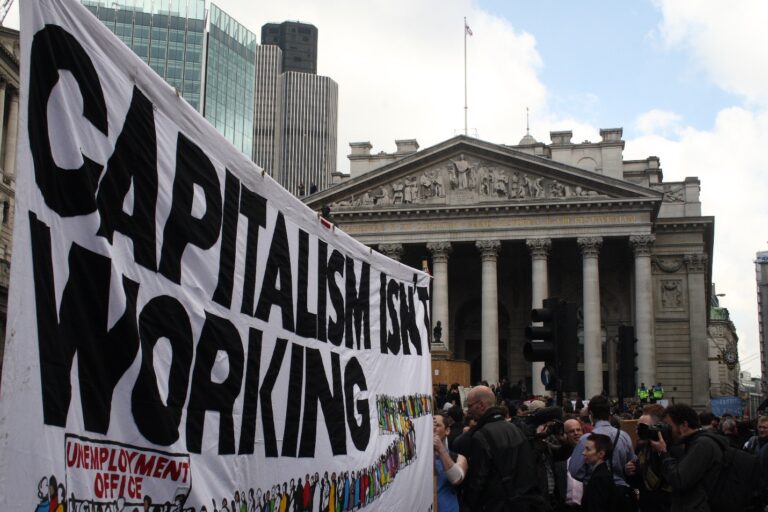
The situation is further complicated by the ongoing budget negotiations in Congress, which have been fraught with controversy following the initial months of President Biden’s administration. Media scrutiny has intensified, with figures such as Jake Tapper and Karine Jean-Pierre raising questions about the President’s mental sharpness. Concurrently, riots in Los Angeles have resulted in significant property damage, highlighting the deep-seated unrest that is spreading across the country.
While these events might be seen as expressions of free speech and democratic engagement, they are unfortunately steeped in political maneuvering and factional interests. This is evident in the student protests that have erupted across various campuses, where instead of fostering constructive dialogue, young people find themselves embroiled in the turmoil.
This decline in political decorum prompts a reflection on the philosophical insights of ancient thinkers like Plato and Socrates, who both revered and critiqued democracy. They recognized democracy as the superior form of government, crucial for maintaining the rule of the people and safeguarding freedoms. Yet, they were also cognizant of the risks of demagoguery, where leaders exploit emotional rhetoric to amass support, bypassing rational debate and thoughtful discourse.
Throughout history, figures such as Adolf Hitler, Benito Mussolini, and Joseph McCarthy have exploited democratic systems to rise to power through demagoguery, deviating from the democratic ideals of representation and equity. These historical examples underscore the vulnerabilities of democratic systems to such distortions.
Both Plato and Socrates warned of the potential degeneration of democracy, especially as it expands. Socrates highlighted the danger of leaders who might lack the wisdom required for effective governance, using their positions for personal benefit rather than the collective good. He argued that a true democracy depends on an educated and informed populace, capable of distinguishing truth from falsehood and making decisions based on reason and factual evidence.
As we face these challenging times, it is imperative for us to actively participate in the democratic process. By valuing education, fostering informed discussions, and holding our leaders accountable, we can endeavor to mend the fabric of our political system. The future of our democracy hinges on our collective ability to address these challenges and pursue a governance that is enlightened, responsible, and truly representative of the people’s will.