Hierarchies and Equality: Examining Gender, Sexuality, and Class in Religious Institutions
Many religious organizations operate within hierarchical structures that can lead to unequal treatment based on gender, sexual orientation, or class. This framework often results in a concentration of power among specific groups, while marginalizing others. For example, in certain branches of some religions, leadership roles are exclusively reserved for men. This exclusion limits women’s participation and influence, as they are often prevented from holding positions of authority. Such practices can reinforce traditional gender roles and hinder progress toward gender equality.
The impact of these structures extends beyond gender. Sexual orientation is also a significant factor in how individuals are treated within religious communities. Some organizations impose strict codes of conduct that can alienate members of the LGBTQ+ community, thereby perpetuating discrimination and exclusion. This approach can create environments where individuals feel unaccepted or oppressed, ultimately affecting their sense of belonging and spiritual fulfillment.
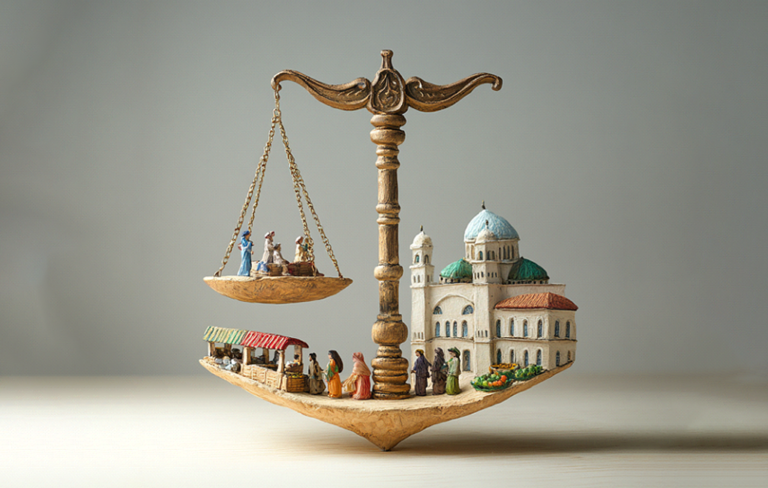
Class disparities may also manifest within religious hierarchies. In some instances, leadership roles and privileges tend to be accessible primarily to those from higher socio-economic backgrounds, further entrenching class divisions. This can lead to a lack of representation and voice for those from less privileged backgrounds, reducing their ability to influence decision-making processes within the organization. In examining the hierarchical nature of Islam, it’s essential to understand how this structure might influence opportunities and perpetuate inequalities. While the religion has many interpretations and practices vary worldwide, certain traditional frameworks can be more restrictive.
One aspect is the reservation of leadership roles for men. This often limits women’s participation and influence within the religious and social spheres. In many communities, men predominantly hold positions of authority, such as imams and religious scholars, which can marginalize women’s voices in decision-making processes.
The restriction of leadership roles is rooted in historic interpretations of religious texts, which have traditionally been interpreted by male scholars. This can lead to a perpetuation of existing power dynamics, where men retain decision-making authority, potentially affecting social and economic opportunities for women.
Furthermore, these hierarchies can limit the potential for change and reform. When leadership roles are solely in the hands of one gender, the diversity of perspectives necessary for addressing contemporary issues may be lacking. This can reinforce traditional norms that may not align with modern understandings of gender equality.
In conclusion, while traditional hierarchical structures within Islam can be restrictive and perpetuate inequalities, there is also a growing movement towards inclusivity and reform.
The interplay between religious beliefs and modern concepts of equality and freedom continues to be a complex and evolving discourse.