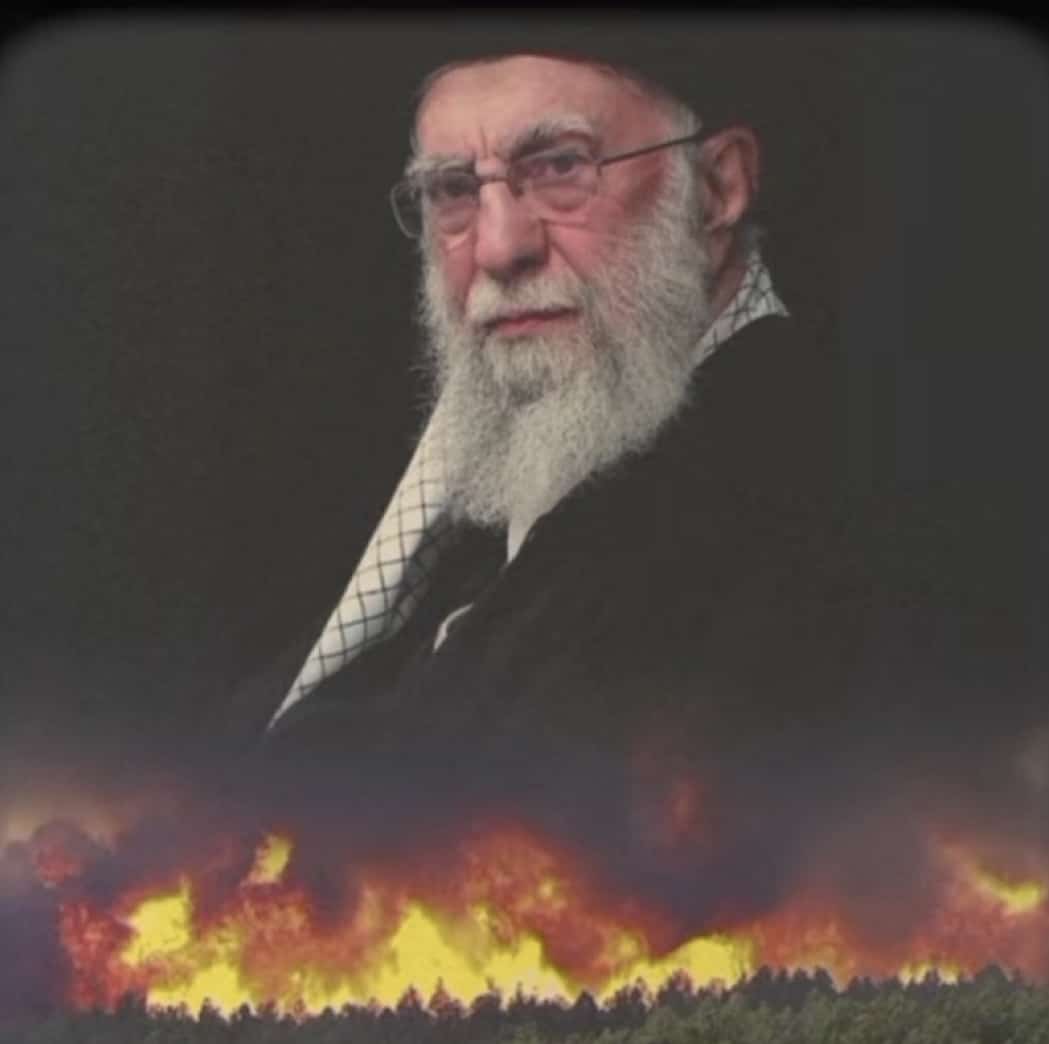
Hirkani Forest Burning
The Hyrcanian Forests: UNESCO Status, Recent Wildfires, and Response Challenges in Northern Iran
Overview of the Hyrcanian Forests
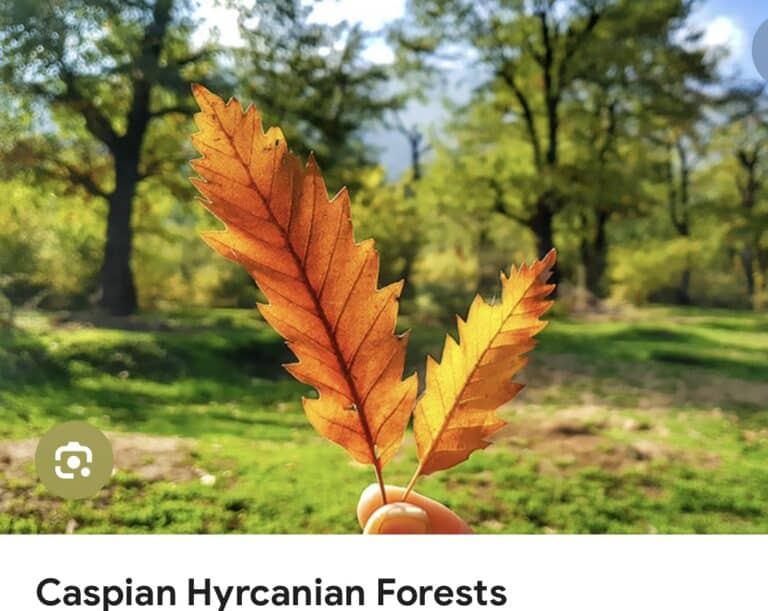
The Hyrcanian Forests, also referred to as the “Hirkani jungle” in Persian contexts, are among the world’s oldest forest ecosystems. Stretching along the southern shores of the Caspian Sea, these temperate broadleaf and mixed forests date back 25–50 million years to the Tertiary period. The forests form a humid, lush belt shaped by the Caspian Sea’s climate and the Alborz Mountains. Covering approximately 55,000 square kilometers across Iran and Azerbaijan, the Hyrcanian Forests span five northern provinces in Iran—Gilan, Mazandaran, Golestan, North Khorasan, and Ardabil—with Mazandaran and Gilan containing the largest portions.
UNESCO World Heritage Status
On July 5, 2019, the Hyrcanian Forests were inscribed as a UNESCO World Heritage Site under criterion (ix), recognizing their universal value as relics of ancient forests that formerly covered much of Eurasia. The inscription includes 15 protected components over more than 100,000 hectares in Iran and Azerbaijan.
- Biodiversity: The forests host over 3,200 plant species, including 150 endemics and rare trees such as Persian ironwood (Parrotia persica), Caucasian zelkova (Zelkova carpinifolia), and chestnut-leaved oak (Quercus castaneifolia). Fauna includes endangered species like the Persian leopard, brown bear, and Caspian snowcock.
- Ecological Importance: These forests function as critical carbon sinks, regulate the local climate, and prevent soil erosion along the Caspian coast. They are managed under national parks and protected reserves.
- Threats: Deforestation from logging and urban expansion has reduced their original coverage by 70–80% since the 19th century. UNESCO emphasizes their “irreplaceable” status, and local communities, such as the Talysh people, are involved in buffer zone management.
Connection to Gilan Province
Gilan province in northwestern Iran is home to significant stretches of the Hyrcanian Forests, including watersheds such as Masuleh, Ghaleh Roodkhan, and Astara. These regions feature humid lowlands and diverse tree species like European hornbeam and date-plum. Gilan has experienced recurrent wildfires due to its steep terrain, dry undergrowth, and human activities. While the latest crisis centers on neighboring Mazandaran, the forests form a continuous ecosystem—fires in one province can threaten adjacent areas in Gilan.
Recent Brush Fire in Northern Iran (November 2025)
In early November 2025, a significant wildfire broke out in the Elit (or Alit) forests near Chalus in Mazandaran Province, part of the UNESCO-listed Hyrcanian complex. Initially contained, the fire reignited around November 15 due to strong winds, drought (Iran’s rainfall is 85% below average), and dry understory. As of November 22, at least 8 hectares of ancient forest have burned, destroying rare vegetation and threatening biodiversity hotspots. The rugged terrain and warm, gusty weather have made firefighting operations among the most complex in recent years.
Response Efforts
Approximately 400 firefighters, two Iranian Ilyushin aircraft, and seven helicopters have been deployed to combat the blaze. On November 22, Iran requested international assistance; Turkey responded with two water-bomber planes, a helicopter, and eight specialists. Russia is considering additional support. The IRGC Aerospace Organization and Iranian Army are coordinating aerial drops.
Cause of Fire
Officials, such as Reza Aflatouni (head of Iran’s Forests Organization), attribute the fire mainly to human activities—possible negligence by unauthorized hunters or deliberate arson linked to illegal land clearing for private villas and real estate development. Investigations are ongoing, with no evidence of natural causes like lightning.
Broader Context
This wildfire is part of a recurring pattern of summer and autumn fires in northern Iran, exacerbated by climate change. Earlier in November, smaller fires were reported in western Mazandaran, with alerts extending to Gilan’s borders. Environmentalists warn of long-term damage to this “irreplaceable” heritage, which predates Persian civilization. The incident highlights mounting pressures from drought and development, and for real-time updates, monitoring Iranian state media and environmental NGOs is recommended. Sites such as Abbas Abad in Kelardasht offer safe access to these UNESCO gems for visitors.
Allegations of Government Misinformation and Delayed Response
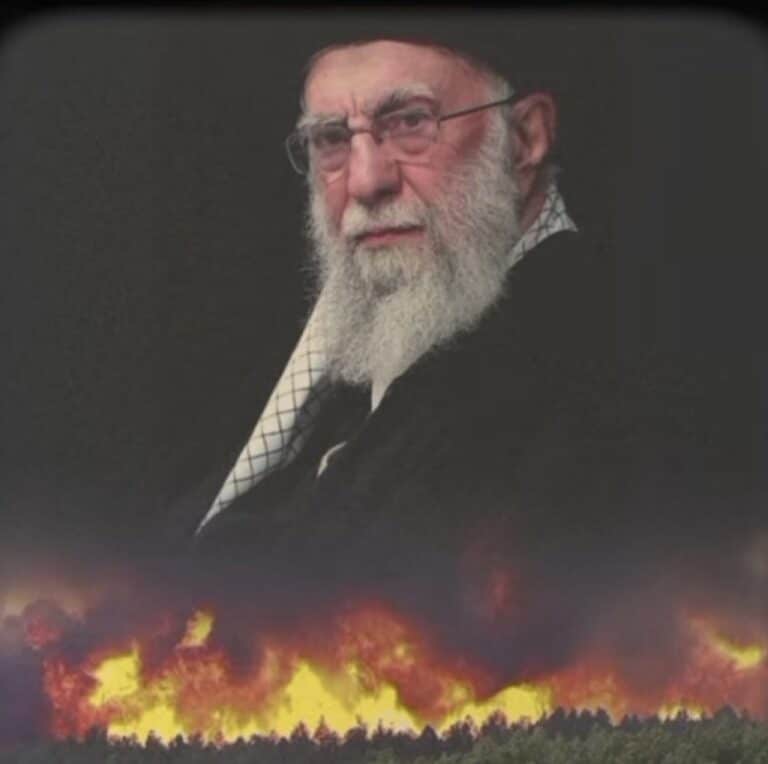
Concerns have arisen regarding the Iranian government’s handling of the Hyrcanian forest fire. Critics, including locals, environmentalists, and opposition voices, accuse authorities of misrepresenting the cause and delaying firefighting efforts for up to two weeks. While official statements emphasize “human negligence,” critics argue this narrative downplays possible arson tied to land grabs and overlooks systemic failures.
Timeline of the Fire and Response
- Oct 31–Nov 14: Reports and videos from residents showed the fire spreading unchecked. Sina Asfandiyari, village head of Elit, posted a video pleading for aid and highlighted “negligence” by authorities—firefighters arrived late and lacked proper equipment for the terrain. He was arrested for “disclosing security information,” fueling accusations of silencing critics. Iranian outlet Rokna reported no significant operations for two weeks, and residents expressed anger at the inaction.
- Nov 15–20: Winds reignited the fire, but response efforts remained ground-based. Aerial support only increased on November 21–22 after public pressure. Social media posts tagged UNESCO and UNEP, criticizing the regime’s priorities and lack of available helicopters.
- Nov 21–22: Iran requested international aid; Turkey sent assistance, and Russia considered support. First Vice President ordered “full mobilization,” but critics saw this as reactive. Six firefighters were injured, and over 200 volunteers camped in the forests to help.
Delays have been attributed to drought, challenging terrain, and underfunding—northern Iran lacks modern firefighting equipment. However, public sentiment, especially on social media, places blame on “criminal negligence” and corruption, not just logistical hurdles.
Disputes Over the Cause
Officials maintain that “human negligence” is the primary cause, such as hunters failing to extinguish campfires. State-affiliated media specify “hunters in the rocky area” as responsible, with no natural ignition reported. However, skepticism is widespread:
- Arson for Land Development: Some independent reports suggest deliberate fires tied to clearing land for villas, a major driver of forest loss since the 19th century. Experts and social media users argue that fires rarely spread so far accidentally in dense Hyrcanian woods and believe management could have prevented the disaster.
- Misinformation on Scope: Official statements have downplayed the fire’s scale, calling it a “grassland fire,” which sparked public outrage as it minimized the threat to a UNESCO forest. Contradictions between state media claims of containment and resident videos showing ongoing spread have fueled distrust.
- Counter-Claims: Some speculate foreign sabotage, but most criticisms focus on regime incompetence and policy failures—since 1979, half of the Hyrcanian forests have been destroyed by development and poor management.
Stakeholder Perspectives
- Environmentalists and Locals: International organizations and local groups have called for intervention, lamenting the loss of a natural heritage older than Persian civilization. Gilan residents fear the fire’s spread, recalling recent large-scale blazes.
- Government Defenses: Officials cite terrain complexity and weather conditions as challenges, highlighting mobilization of military resources. However, arrests and communication restrictions have intensified accusations of a cover-up.
- Opposition and Media: Independent outlets and opposition voices emphasize corruption and mismanagement, amplifying concerns over the destruction of an ancient ecosystem.
This incident is not isolated—similar delays and disputes have occurred in previous years. While climate change is a factor, critics contend human actions and governance issues play a dominant role. For updates, both official and independent sources should be monitored, and global advocacy is encouraged to help preserve the Hyrcanian Forests.