Foreign Manipulation and Religious Realignments: Lessons from British Interventions in Iran
The intersection of international politics and religious manipulation in the Middle East, particularly in Iran, provides a compelling study of how foreign interventions can reshape regional dynamics, often with long-lasting and unintended consequences. Two distinct periods where this kind of manipulation was evident involve British interventions during the reigns of the Safavid and Qajar dynasties. These interventions were not merely strategic but also deeply transformative, affecting the very religious and cultural fabric of the society.
- British Influence During the Safavid Era
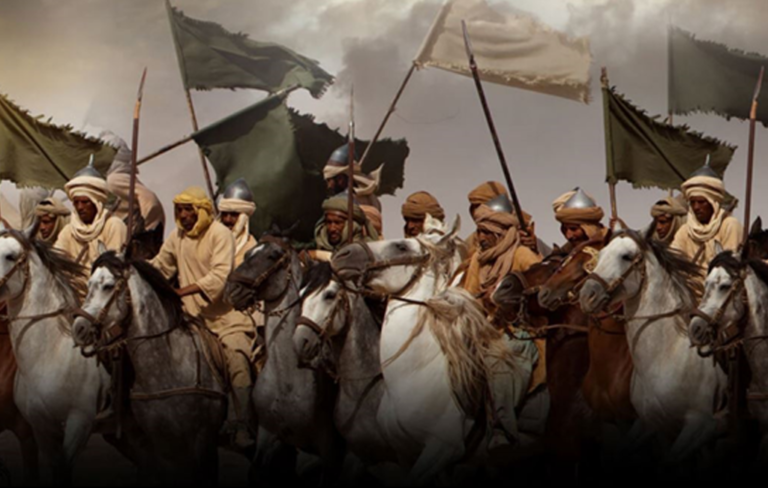
The Safavid dynasty, which initially rose to prominence in the early 16th century, marked the establishment of Twelver Shia Islam as the state religion of Iran, fundamentally shaping the nation’s identity. This period is critical in understanding how external powers began to see the potential in manipulating religious structures to serve their own ends. The British, among other European powers, engaged with the Safavid empire through trade and diplomacy but also had a less visible agenda.
The British influence in religious and governmental reformation was subtle yet significant. By promoting certain religious leaders who were more amenable to British interests and influencing religious discourse, Britain was able to indirectly control the socio-political landscape. This manipulation did not just redefine the religious landscape; it ensured that British economic and political interests were safeguarded. Utilizing religion as a tool, the British could stabilize their trade routes and maintain influence in the region, overshadowing Iran’s own historical and cultural achievements.
- The Qajar Dynasty and the Expansion of British Influence
Moving forward to the Qajar dynasty, which spanned from the late 18th to the early 20th century, the British tactics of religious and political interference became even more pronounced. During this era, Iran’s strategic position and oil reserves made it particularly attractive to foreign powers, including Britain. The Qajar rulers, often weakened by internal strife and corruption, were susceptible to foreign influence, and Britain did not hesitate to capitalize.
Here, the manipulation took on more direct forms. The British, understanding the deep-rooted religious fervor of the region, went beyond mere political alliances, promoting religious figures who not only supported British policies but also propagated religious doctrines that were deeply infused with superstition. These doctrines served British interests by diverting the focus of the populace from national governance to religious observance, often of a sort that further entrenched British influence.
The aftermath of these manipulations was profound. Promoting dangerous religious extremities and new superstitious doctrines weakened traditional religious practices that had been the bedrock of Iranian society. It led to a religious leadership that, at times, was more aligned with foreign interests than with the welfare of its own people. This manipulation reached the point where daily life and governance were steeped in superstition to an extent that even the rulers did not make simple decisions without the consultation of British-influenced religious clergy.
Unintended Consequences and Legacy
The long-term consequences of these manipulations have been significant. They contributed to a deep-seated mistrust of foreign powers, which persists in various forms to this day. Additionally, the reshaping of Iran’s religious institutions in ways that prioritized foreign interests has had lasting effects on its political landscape, contributing to volatile relationships both internally and with western nations.
Understanding these historical contexts is key in appreciating the complex socio-political realities of modern Iran. It serves as a stark reminder of how foreign intervention, particularly when it manipulates fundamental cultural and religious beliefs, can sow seeds of long-term discord and instability. As the region continues to grapple with these legacies, the lessons from the past remain critically relevant, highlighting the need for cultural sensitivity and genuine respect for sovereignty in international relations.
Europe and America
Lessons must be learned