Is Europe Nostalgic of Hitler Era?

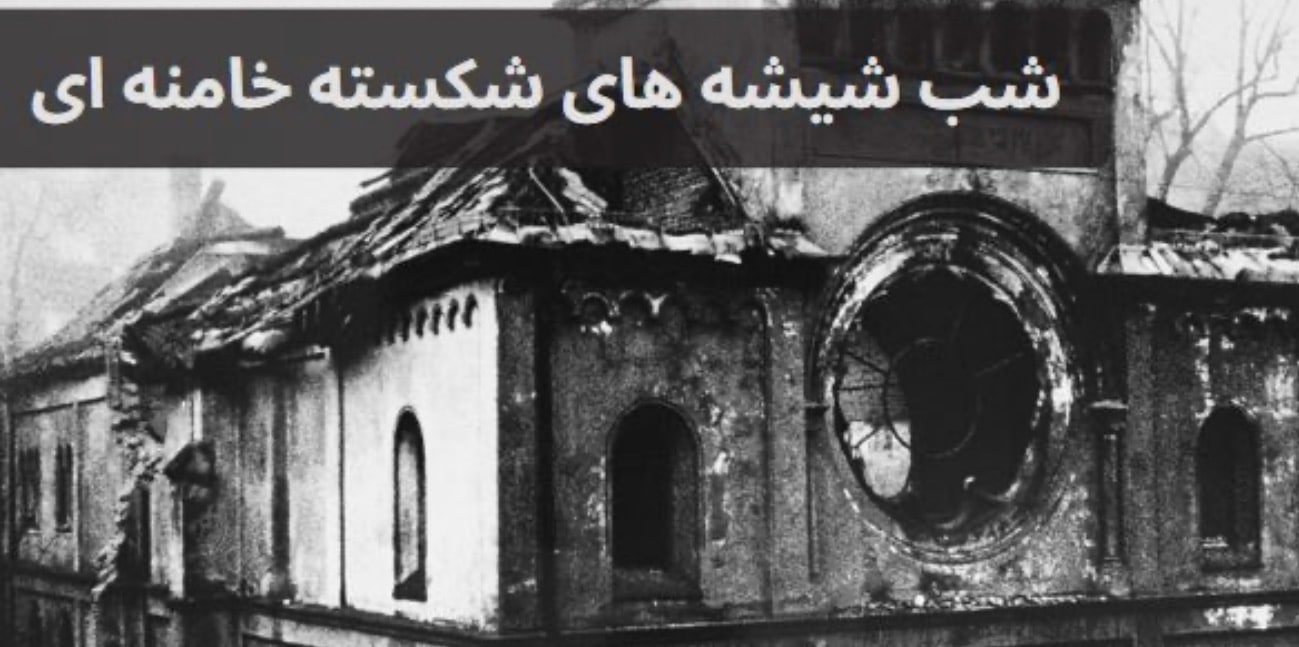
Kristallnacht: The Night of Broken Glasses
Kristallnacht, or the Night of Broken Glasses, was a state-sponsored pogrom targeting Jews throughout Nazi Germany and Austria on the nights of November 9 and 10, 1938. The event’s name comes from the countless shards of glass that covered city streets after the windows of Jewish-owned shops, homes, and synagogues were shattered by violent mobs.
The immediate pretext for Kristallnacht was the assassination of German diplomat Ernst vom Rath in Paris by Herschel Grynszpan, a 17-year-old Polish Jew, on November 7, 1938. Nazi propaganda minister Joseph Goebbels seized upon this incident, using it to incite anti-Jewish sentiment and orchestrate what was presented as a “spontaneous” public outcry. The violence was meticulously planned and executed by the Nazi Party’s paramilitary organizations, including the SA (Sturmabteilung), SS (Schutzstaffel), and the Hitler Youth, with the tacit approval and coordination of high-ranking Nazi officials, including Adolf Hitler himself.
Over the course of two nights, mobs rampaged through Jewish neighborhoods, destroying or setting fire to more than 1,000 synagogues, vandalizing and looting approximately 7,500 Jewish businesses, and desecrating Jewish cemeteries. Jewish homes were invaded, their contents stolen or destroyed, and families terrorized. The violence was not limited to property: at least 91 Jews were murdered, and many more were beaten, assaulted, or subjected to public humiliation. German police and fire brigades were ordered not to intervene, except to prevent the spread of flames to non-Jewish property.
Aftermath and Consequences
In the wake of Kristallnacht, the Nazi regime intensified its persecution of Jews. Approximately 30,000 Jewish men were arrested and sent to concentration camps such as Dachau, Buchenwald, and Sachsenhausen, where many suffered brutal treatment. The Jewish community was collectively fined one billion Reichsmarks to pay for the damages inflicted by the pogrom, and insurance claims for destroyed property were confiscated by the state. New anti-Jewish decrees followed, further excluding Jews from economic life and accelerating the process of Aryanization—the forced transfer of Jewish businesses and assets to non-Jewish Germans.
Significance and International Response
Kristallnacht marked a turning point in Nazi anti-Semitic policy, shifting from legal discrimination and social exclusion to overt, state-sanctioned violence. It foreshadowed the systematic genocide of the Holocaust that would follow. The brutality of Kristallnacht shocked the world and drew widespread condemnation from foreign governments and the press. However, international outrage did not translate into meaningful action: most countries, including the United States and Britain, failed to significantly increase their quotas for Jewish refugees fleeing Nazi persecution.
Kristallnacht remains a symbol of the dangers of unchecked hatred, propaganda, and state-sponsored violence. It serves as a stark reminder of the consequences of indifference and the importance of standing against bigotry and injustice in all its forms.
Herschel Feibel Grynszpan, born in 1921 in Hanover, Germany, was a 17-year-old Polish-Jewish refugee whose actions would have far-reaching consequences in the history of the Holocaust. His family, Polish Jews who had lived in Germany since 1911, became victims of the Nazi regime’s escalating antisemitic policies. In late October 1938, the Nazis forcibly deported approximately 12,000 Polish Jews—including the Grynszpan family—to the German Polish border near Zbąszyń, leaving them stranded in appalling conditions without resources or shelter.
Grynszpan had fled to Paris in 1936 to escape the mounting persecution in Germany, living there illegally and in constant fear of deportation. In Paris, he received a postcard from his sister Berta, describing the family’s suffering and desperate situation at the border. The letter deeply affected Grynszpan, fueling his anger and despair, and compelling him to take drastic action in protest of the Nazis’ treatment of Jews.
On the morning of November 7, 1938, Grynszpan purchased a revolver for 235 francs from a Parisian gun shop, the price tag still attached. Determined to make a statement, he went to the German Embassy at 78 Rue de Lille, requesting to see a senior official under the guise of delivering important documents. He was directed to the office of Ernst vom Rath, a 29-year-old third secretary and junior diplomat. Once inside, Grynszpan declared, “In the name of 12,000 persecuted Jews, here is your document,” and fired five shots, striking vom Rath twice in the abdomen.
Vom Rath was critically wounded and rushed to the hospital, where he underwent surgery but died two days later, on November 9, 1938. This date coincided with the 15th anniversary of the Beer Hall Putsch, a symbolic day for the Nazi Party.
Grynszpan made no attempt to escape and was immediately arrested by French authorities. He confessed to the shooting, explaining that his act was a protest against the persecution of Jews and intended to draw international attention to their plight. He emphasized that he had not specifically targeted vom Rath, but rather any representative of the Nazi regime as a symbol of its brutality.
The Nazi regime quickly seized upon the incident, using it as propaganda to claim a global Jewish conspiracy against Germany. This narrative served as the pretext for the orchestrated pogrom known as Kristallnacht (“The Night of Broken Glass”), which began on the night of November 9, 1938. During Kristallnacht, synagogues, Jewish businesses, and homes across Germany and Austria were destroyed, and thousands of Jews were arrested, beaten, or killed.
Grynszpan remained in French custody until the German invasion of France in 1940, after which he was handed over to the Gestapo. The Nazis intended to stage a show trial to further their antisemitic propaganda, but the trial was repeatedly postponed. During preparations, Grynszpan complicated the Nazi narrative by claiming—falsely—that he had a homosexual relationship with vom Rath, attempting to recast the assassination as a crime of passion rather than a political act. This claim undermined the Nazis’ propaganda goals and contributed to the indefinite postponement of the trial.
Grynszpan’s fate remains a mystery. He was last reportedly seen alive in 1945, possibly in Sachsenhausen or Magdeburg prison. In 1960, he was officially declared dead, but no definitive records of his death have ever been found. His act, however, became a tragic catalyst for one of the most violent episodes of antisemitic violence in Nazi Germany, marking a turning point in the regime’s persecution of Jews.