Skip to content

Iran Current Healthcare system , Disparities Failure and Solutions

Islamic Republic of Iran
Medical Education and Professionalism
Disparities, Failures and Solutions
IR constitution defines the country as an Islamic republic and specifies Twelver Ja’afari Shai Islam as the official state religion.
It states all laws and regulations must be based on Islamic Criteria and an official interpretation of Sharia.
The constitution states citizens shall enjoy human, political, economic and other rights in conformity with Islamic Criteria.
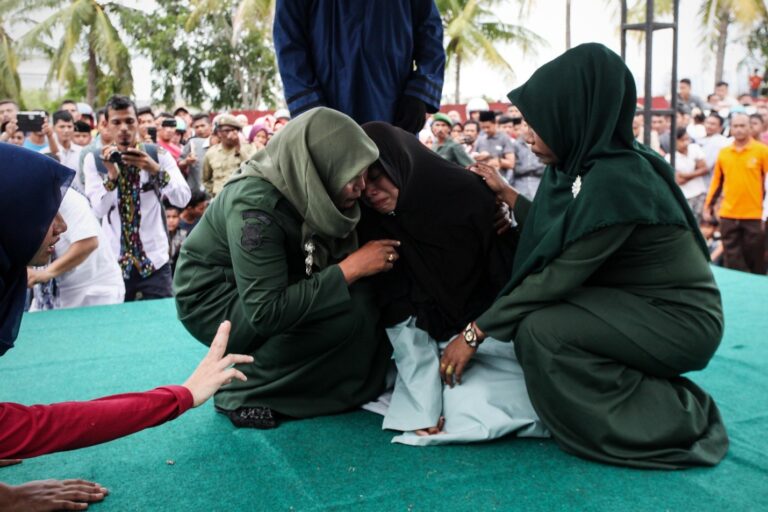
The penal code provides for hudud punishments including amputation, flogging, and stoning (Iran 2022 International Religious Freedom Report).
Sharia law refers to the legal system based on the principles of Islamic religious teachings, primarily derived from the Quran and the Hadith (sayings and actions of Prophet Muhammad). It governs various aspects of life, including personal behavior, family matters, business transactions, and criminal justice. It serves as a moral and ethical guide for Muslims and aims to promote justice, equality, and the well-being of society as a whole.
Sharia law encompasses a wide range of topics, such as marriage, divorce, inheritance, contracts, and criminal offenses. It places great emphasis on mutual respect, fairness, and compassion. It seeks to protect individual rights and promote social welfare, encouraging charitable acts and helping those in need.
Under Sharia law in Iran, women have certain rights and responsibilities, but it’s important to note that interpretations and implementations can vary. Here’s a general overview:
1. Life: Women in Iran have the right to life and personal safety, just like men. However, certain behaviors or choices that are considered against Islamic principles may face stricter punishments or societal pressures.
2. Education: Women have access to education in Iran, and there are no legal restrictions on their right to education. However, societal factors and cultural norms can sometimes limit educational opportunities for women, particularly in more conservative areas.
3. Marriage: Under Sharia law, women have the right to consent to marriage and cannot be forced into marriage against their will. However, there are certain legal and cultural practices that can undermine this right in some cases. Polygamy is allowed in Iran, but a man must obtain permission from a court and prove his ability to treat all wives equally.
4. Inheritance: Sharia law prescribes specific rules for inheritance. In Iran, women generally have the right to inherit property, but the share they receive can be different from that of men. For example, a daughter may receive half the share of a son. However, it’s worth noting that recent legal reforms in Iran have aimed to address gender disparities in inheritance rights.
It’s important to remember that these are general points, and the actual lived experiences of Iranian women can vary depending on various factors such as regional customs, socio-economic status, and personal circumstances
Medical Education and Healthcare System Delivery:
The current quota system in the Islamic Republic of Iran aims to promote equal opportunities for underrepresented groups in medical school admission. The quota system intends a certain number of seats for specific categories of applicants, including students from rural areas, ethnic minorities, and individuals with disabilities which in reality is ignored and over- looked. The purpose of this system is to address presumed historical inequalities and increase access to higher education for marginalized populations.
The specific details of the quota system can vary from year to year, but generally, it involves allocating a certain percentage of seats in medical schools to applicants from these underrepresented groups. For example, a certain percentage of seats may be reserved for students from rural areas, regardless of their performance in the entrance exams, merit and educational aptitude. However, the Islamic republic ignore her own mandated policies and instead a certain number of seats are reserved for individuals who have demonstrated a commitment to the Islamic faith and have a strong religious background. Additionally, there may be a quota for the children of war martyrs who are given preferential treatment in the admission process.
These policies aim to promote the values and principles of the Islamic Republic of Iran and ensure that individuals with strong religious beliefs have opportunities to pursue professional education regardless their eligibility, merit and academic aptitude and passing score in entrance exams.
As a rule, the quota system is intended to provide opportunities to individuals who may face additional barriers to accessing quality education or achieving high scores in the highly competitive entrance exams. By reserving a certain number of seats for these groups, the system in a free and democratic societies aims to create a more diverse and inclusive medical student body.
However, the implementation and specific details of the quota system have been the subject of debate and criticism in Iran. Some argue that the system may compromise merit-based admission and result in a lower standard of education in medical schools. Critics also express concerns that the system may be susceptible to abuse or manipulation, with applicants falsely claiming eligibility for quota seats.
It is important to note that the quota system is just one aspect of the medical school admission process in many countries. Other criteria, such as performance in the specific and national exams and academic achievements, also play a significant role in determining admission. The quota system is meant to supplement these criteria and provide opportunities for underrepresented groups, but it does not solely determine admission outcomes Unfortunately none of the above criteria other than Islamic organization affiliation are observed in Islamic republic of Iran.
In Iran, like in many countries, disparities in medical school admission exist and can be attributed to various factors. Some of the main disparities in medical school admission in Iran include:
1. Regional Disparities: There is a significant regional imbalance in medical school admission in Iran. Students from wealthier or more developed regions tend to have better access to quality education and resources, which can give them an advantage in the highly competitive medical school entrance exams. As a result, students from less privileged regions may face additional barriers in gaining admission to medical schools.
2. Socioeconomic Disparities: Socioeconomic factors play a significant role in medical school admission disparities. Students from wealthier backgrounds often have access to better preparatory resources, such as private tutoring or specialized coaching classes, which can enhance their performance in entrance exams. On the other hand, students from lower-income families may face financial constraints and lack the resources necessary to compete on an equal footing.
3. Gender Disparities: Gender disparities can also be observed in medical school admission in Iran. While women make up a significant proportion of medical school applicants, there is a notable gender gap in terms of acceptance rates. This is due to various societal and cultural factors that may discourage or limit women’s access to higher education, including medical schools.
4. Educational Disparities: Disparities in the quality of pre-university education can significantly impact medical school admission outcomes. Students from schools with limited resources, outdated curricula, and inadequate teaching staff may face challenges in acquiring the necessary knowledge and skills to perform well in entrance exams. This can disproportionately affect students from marginalized communities.
5. Merit vs. Quota System: The existence of quota systems in medical school admission can contribute to disparities. In order to promote equal opportunities for underrepresented groups, including students from rural areas or ethnic minorities, a certain number of seats may be reserved. While this aims to address inequalities, it can also create a perception that some students are admitted based on factors other than merit, leading to concerns about fairness and competition.
Addressing these disparities requires a multi-faceted approach:
1. Equal Access to Quality Education: Improve the quality of pre-university education in underserved regions by investing in infrastructure, resources, and qualified teachers. This will help ensure that students from all regions have an equal opportunity to compete for medical school admission.
2. Targeted Support Programs: Implement targeted support programs, such as scholarship initiatives and mentoring programs, to assist students from disadvantaged backgrounds. These programs can provide financial support, guidance, and resources to help students overcome barriers and compete on an equal footing.
3. Awareness and Outreach: Increase awareness about medical school admission requirements, entrance exams, and available support programs among potential applicants. This can be achieved through targeted outreach campaigns, workshops, and information sessions in schools and communities.
4. Reforming Admission Processes: Continuously review and reform the medical school admission processes to ensure they are fair, transparent, and merit-based. This may involve reducing or eliminating quota systems while still considering the need to address historical inequalities and promote diversity.
5. Gender Equality Promotion: Encourage and support women’s participation in higher education, including medical schools, through targeted initiatives, scholarships, and awareness campaigns. Address cultural and societal barriers that discourage women from pursuing medical careers.
6. Collaboration and Research: Foster collaboration between educational institutions, government bodies, and relevant stakeholders to conduct research on admission disparities and develop evidence-based strategies for addressing them effectively.
By addressing these disparities in medical school admission, Iran can create a more equitable and inclusive healthcare system, ensuring that talented and deserving individuals from all backgrounds have the opportunity to pursue careers in medicine and contribute to the betterment of society
The current quota system in general and in medical education in particular, not only has negatively impacted medical and higher medical education, but also has resulted in lower educational and training quality and standard and quality of care delivery.
The Islamic cultural revolution and applied Islamic criteria and quota to the selection process and retaining academic staff and teachers have dramatically and negatively impacted the quality of higher medical education, specialty training and practice if medicine in country.
Many academic staff and leaders have been forced to retire or have been expunged.
Many of those medical school graduates also received preferential quota placement and entered specialty training with out taking entrance exam, leaving those with higher scores behind the closed doors.
The followings are the examples of quota assigned admission to specialty training for academic year 2022-2023:
1-Radiology and Nuclear Medicine > 50%
2- Orthopedic Surgery > 69%
3- Cardiovascular Disease > 62%
This trend applies to all trainings in country.
Rebuilding and remedial needs:
This process is multifaceted and requires large and qualified personnel and task force. In all three sections, medical school, specialty and residency and practicing physicians and healthcare force.
- Program Assessment and Identification:
– Conduct a thorough assessment of the current situation, including the admission process, curriculum, and competency levels of the affected physicians.
– Identify the specific religious or political connections that influenced their admission and evaluate the impact on their medical knowledge and skills.
– Collaborate with local healthcare authorities, educational institutions, and professional associations to develop a targeted retraining program.
2. Preparatory Courses:
– Offer preparatory courses to bridge knowledge gaps in basic medical sciences, such as anatomy, physiology, biochemistry, and pharmacology.
– Provide comprehensive lectures, interactive sessions, and practical demonstrations to ensure a strong foundation in essential medical concepts.
– Utilize modern teaching methodologies, including case-based learning and problem-solving exercises, to promote critical thinking and clinical reasoning.
3. Clinical Training and Skill Development:
– Arrange clinical rotations and internships in reputable healthcare institutions to provide hands-on experience under the guidance of experienced physicians.
– Focus on enhancing clinical skills, including history taking, physical examination, diagnostic reasoning, and evidence-based treatment planning.
– Provide opportunities for physicians to observe and participate in various medical procedures, surgeries, and specialized clinics relevant to their chosen specialties.
4. Specialty-Specific Education:
– Tailor the retraining program to each physician’s desired specialty, such as internal medicine, surgery, pediatrics, or obstetrics and gynecology.
– Offer specialty-specific lectures, workshops, and case discussions to deepen their understanding and practical skills in their chosen field.
– Engage specialists from various disciplines to provide comprehensive and up-to-date knowledge, fostering a multidisciplinary approach.
5. Professional Ethics and Communication Skills:
– Conduct workshops and seminars on medical ethics, professionalism, and effective communication skills.
– Emphasize the importance of patient-centered care, cultural sensitivity, and respect for diverse religious and political beliefs.
– Engage physicians in role-playing exercises, simulated patient interactions, and discussions on challenging ethical dilemmas to enhance their decision-making skills.
6. Continuous Medical Education:
– Establish a framework for continuous medical education to ensure physicians stay updated with the latest medical advancements and evidence-based practices.
– Provide access to online resources, medical journals, conferences, and workshops to support ongoing learning and professional growth.
– Encourage physicians to participate in research activities, present scientific papers, and contribute to medical literature to foster intellectual development.
7. Mentorship and Support:
– Assign experienced physicians as mentors to provide guidance, support, and career advice throughout the retraining program.
– Facilitate regular mentorship sessions to discuss challenges, set goals, and monitor progress, ensuring personalized support for each physician.
– Foster a supportive community by organizing networking events, peer-to-peer learning opportunities, and mentor-led discussions.
8. Program Evaluation and Monitoring:
– Establish an evaluation framework to assess the effectiveness of the retraining program and monitor the progress of participating physicians.
– Collect feedback from participants, mentors, and healthcare employers to identify strengths, weaknesses, and areas requiring improvement.
– Utilize evaluation results to refine the program, update curriculum content, adjust teaching methodologies, and address emerging needs.
9. Collaboration and Partnerships:
– Collaborate with local and international stakeholders, including healthcare institutions, professional associations, NGOs, and funding agencies.
– Seek partnerships with reputable medical schools or organizations to enhance program credibility and provide additional resources.
– Engage with policymakers and advocacy groups to address systemic issues and promote merit-based admission processes in medical education.
10. Sustainability and Long-Term Impact:
– Foster local ownership by involving local healthcare authorities, medical institutions, and professional associations in program planning and implementation.
– Develop a sustainability plan to ensure the program’s continuity beyond the initial retraining phase, including strategies for financial support and resource management.
– Monitor the long-term impact of the program by tracking the professional success, career progression, and contributions of the retrained physicians to the healthcare sector.
By implementing this comprehensive retraining program, we aim to empower physicians who were admitted based on religious or political connections to acquire the necessary medical knowledge, skills, and ethical values. This program seeks to bridge the educational gaps and ensure that these physicians can provide high-quality, evidence-based healthcare, thereby improving the overall healthcare system in third-world countries.
Allied Health Professional Remedial and retraining:
This is a comprehensive program to retrain allied healthcare professionals in Iran during transition and freedom who were admitted to professional schools based on religious or political connections rather than merit or aptitude:
1. Program Assessment and Planning:
– Conduct a thorough assessment of the current situation, including the admission process, curriculum, and competency levels of the allied healthcare professionals.
– Identify the specific religious or political connections that affected their admission and evaluate the impact on their knowledge and skills.
– Collaborate with local healthcare authorities, educational institutions, and professional associations to develop a comprehensive retraining program.
2. Remedial Education and Skill Development:
– Offer foundational courses to bridge knowledge gaps in basic healthcare sciences, including anatomy, physiology, pharmacology, and medical terminology.
– Provide specialized training to enhance practical skills and competence in their respective allied healthcare fields, such as nursing, medical technology, or physiotherapy.
– Utilize a combination of classroom lectures, hands-on training, simulation exercises, and practical application to reinforce learning.
3. Professional Ethics and Values:
– Conduct workshops and discussions on professional ethics, emphasizing the importance of merit-based admission, equality, and patient-centered care.
– Facilitate sessions on cultural sensitivity, diversity, and respect for religious or political beliefs while ensuring unbiased and evidence-based healthcare practice.
– Encourage open dialogue and critical thinking to challenge preconceived notions and promote ethical decision-making in healthcare settings.
4. Clinical Experience and Practical Exposure:
– Arrange clinical rotations, internships, or apprenticeships in reputable healthcare facilities to provide hands-on experience under the guidance of experienced professionals.
– Encourage active participation in patient care, diagnostic procedures, treatment planning, and interprofessional collaboration to develop practical skills and confidence.
– Monitor and evaluate performance during clinical experiences to provide constructive feedback and identify areas for improvement.
5. Leadership and Management Skills:
– Offer training in leadership and management skills to equip allied healthcare professionals with the ability to lead teams, ensure quality care, and advocate for patient rights.
– Develop courses on healthcare administration, resource management, and effective communication to enhance their roles as future leaders in the healthcare sector.
– Provide opportunities for project management and quality improvement initiatives to foster innovation and enhance their ability to address healthcare challenges.
6. Continuous Professional Development:
– Establish a framework for ongoing professional development to ensure the retraining professionals stay updated with advancements in their fields.
– Provide access to relevant continuing education resources, online courses, conferences, and workshops to support lifelong learning.
– Encourage participation in research activities, publication opportunities, and knowledge-sharing platforms to foster professional growth and contribute to the healthcare community.
7. Mentorship and Support:
– Assign experienced allied healthcare professionals as mentors to provide guidance, support, and career advice throughout the retraining program.
– Facilitate regular mentorship sessions to discuss challenges, set goals, and monitor progress, ensuring personalized support for each retraining professional.
– Foster a supportive community by organizing networking events, peer-to-peer learning opportunities, and mentor-led discussions.
8. Program Evaluation and Monitoring:
– Establish an evaluation framework to monitor the effectiveness of the retraining program and assess the retraining professionals’ progress.
– Collect feedback from participants, mentors, and healthcare employers to identify strengths, weaknesses, and areas requiring improvement.
– Use evaluation results to refine the program, update curriculum content, adjust teaching methodologies, and address emerging needs.
9. Collaboration and Partnerships:
– Collaborate with local and international stakeholders, including healthcare institutions, professional associations, NGOs, and funding agencies.
– Seek partnerships with reputable educational institutions or organizations to enhance program credibility and provide additional resources.
– Engage with policymakers and advocacy groups to address systemic issues and promote merit-based admission processes in allied healthcare education.
10. Sustainability and Long-Term Impact:
– Foster local ownership by involving local healthcare authorities, educational institutions, and professional associations in program planning and implementation.
– Develop a sustainability plan to ensure the program’s continuity beyond the initial retraining phase, including strategies for financial support and resource management.
– Monitor the long-term impact of the program by tracking the professional success, career progression, and contributions of the retraining professionals to the healthcare sector.
Implementing this comprehensive retraining program requires strong collaboration among various stakeholders, meticulous planning, and ongoing evaluation. By addressing the educational gaps caused by religious or political connections, this program aims to empower allied healthcare professionals to deliver high-quality, patient-centered care based on merit and aptitude.
Pharmacy and related Industries:
Here is a comprehensive program to retrain pharmacists in Iran during transition and after people victory who were admitted to professional schools based on religious or political connections rather than merit or aptitude:
1. Program Orientation and Needs Assessment:
– Conduct an orientation session to explain the program’s objectives, expectations, and benefits to the pharmacists.
– Administer a comprehensive needs assessment to identify their individual strengths, weaknesses, and areas requiring improvement.
– Gather data on their pharmacy education background, pharmaceutical knowledge, clinical skills, and personal goals.
2. Core Pharmaceutical Knowledge Enhancement:
– Provide intensive training in core pharmaceutical knowledge, including pharmacology, pharmaceutics, pharmacokinetics, and pharmacotherapy, to ensure a strong foundation.
– Offer specialized courses and workshops to update pharmacists on the latest drug information, evidence-based practice, and global health issues.
– Utilize interactive teaching methods, case studies, and practical exercises to enhance critical thinking and problem-solving skills.
3. Clinical Skills Development:
– Conduct hands-on training sessions to improve clinical skills, including medication dispensing, drug interactions screening, patient counseling, and medication therapy management.
– Provide simulated patient encounters and pharmacy simulations to practice and refine clinical skills in a controlled environment.
– Offer guidance on effective communication with patients, healthcare providers, and other members of the healthcare team to ensure patient-centered care.
4. Pharmaceutical Care and Patient Safety:
– Emphasize the importance of pharmaceutical care and patient safety in the practice of pharmacy.
– Provide training on medication reconciliation, adverse drug event reporting, medication error prevention, and quality assurance in pharmacy practice.
– Encourage pharmacists to develop patient monitoring plans, assess therapeutic outcomes, and collaborate with healthcare teams to optimize patient care.
5. Specialized Training and Continuing Education:
– Develop specialized training modules based on the pharmacists’ areas of interest or the healthcare needs of their communities.
– Offer continuing pharmacy education (CPE) courses, conferences, and workshops to keep the pharmacists updated with the latest research, guidelines, and best practices.
– Collaborate with local and international pharmacy experts to deliver specialized training and share their expertise.
6. Ethical and Professional Development:
– Conduct sessions on pharmacy ethics, professional integrity, and patient confidentiality to reinforce the importance of ethical conduct in pharmacy practice.
– Promote evidence-based practice and encourage pharmacists to base their clinical decisions on scientific research and patient well-being.
– Facilitate discussions on the impact of religious or political influences on the pharmaceutical sector and emphasize the need for unbiased and patient-centered care.
7. Mentoring and Individual Support:
– Assign experienced pharmacists as mentors to provide one-on-one guidance, support, and career advice to the retraining pharmacists.
– Conduct regular mentorship sessions to address individual concerns, monitor progress, and provide feedback on clinical skills and professional development.
– Encourage retraining pharmacists to seek advice and share experiences with their mentors, promoting a supportive learning environment.
8. Practical Exposure and Internships:
– Collaborate with local healthcare institutions, community pharmacies, and pharmaceutical companies to provide practical exposure and internships.
– Offer opportunities to work alongside experienced pharmacists, observe pharmaceutical processes, and participate in patient care under supervision.
– Arrange internships in various settings, such as hospitals, retail pharmacies, pharmaceutical manufacturing, and regulatory bodies, to provide a well-rounded experiential learning.
9. Continuous Assessment and Progress Monitoring:
– Implement regular assessments, exams, and evaluations to track the progress of retraining pharmacists and identify areas needing improvement.
– Provide constructive feedback to help them understand their strengths and weaknesses, enabling them to work on their clinical skills and professional growth.
– Use data and feedback to adapt the program and address the evolving needs of the retraining pharmacists.
10. Networking and Collaboration:
– Establish a network of retraining pharmacists to foster collaboration, knowledge sharing, and peer support.
– Organize pharmacy conferences, webinars, and seminars to facilitate networking opportunities with healthcare professionals from various specialties and countries.
– Encourage retraining pharmacists to engage in research projects, publications, and quality improvement initiatives to contribute to the pharmacy community.
11. Program Evaluation and Improvement:
– Regularly evaluate the program’s effectiveness through feedback from retraining pharmacists, mentors, and healthcare professionals.
– Analyze data and make necessary adjustments to the curriculum, teaching methodologies, and program structure to address emerging needs.
– Collaborate with local governments, healthcare organizations, and international partners to secure funding, resources, and support for program sustainability and expansion.
Implementing this comprehensive program would require collaboration with relevant stakeholders, including pharmacy schools, healthcare institutions, professional associations, and funding agencies. It is essential to ensure the availability of adequate resources, qualified trainers, and ongoing support to maximize the impact and success of the pharmacist retraining program.
Nursing and support Staff:
This is a comprehensive program to retrain nurses and support staff after uprising and victory in iran who like many other professional were admitted to professional schools based on religious or political connections rather than merit or aptitude:
1. Program Orientation and Needs Assessment:
– Conduct an orientation session to explain the program’s objectives, expectations, and benefits to the nurses.
– Administer a comprehensive needs assessment to identify their individual strengths, weaknesses, and areas requiring improvement.
– Gather data on their nursing education background, clinical skills, and personal goals.
2. Core Nursing Knowledge Enhancement:
– Provide intensive training in core nursing knowledge, including anatomy, physiology, pharmacology, and nursing theories, to ensure a strong foundation.
– Offer specialized courses and workshops to update nurses on the latest nursing practices, evidence-based care, and global health issues.
– Utilize interactive teaching methods, case studies, and practical exercises to enhance critical thinking and clinical reasoning skills.
3. Clinical Skills Development:
– Conduct hands-on training sessions to improve clinical skills, including patient assessment, medication administration, wound care, and infection control.
– Provide simulated patient encounters and nursing simulations to practice and refine clinical skills in a controlled environment.
– Offer guidance on effective communication with patients, families, and healthcare teams, empathy, and cultural sensitivity to foster patient-centered care.
4. Specialized Training and Continuing Education:
– Develop specialized training modules based on the nurses’ areas of interest or the healthcare needs of their communities.
– Offer continuing nursing education (CNE) courses, conferences, and workshops to keep the nurses updated with the latest nursing research, guidelines, and best practices.
– Collaborate with local and international nursing experts to deliver specialized training and share their expertise.
5. Ethical and Professional Development:
– Conduct sessions on nursing ethics, professional integrity, and patient advocacy to reinforce the importance of ethical conduct in nursing.
– Promote evidence-based nursing practice and encourage nurses to base their clinical decisions on scientific research and patient well-being.
– Facilitate discussions on the impact of religious or political influences on healthcare and emphasize the need for unbiased nursing care.
6. Mentoring and Individual Support:
– Assign experienced nurses as mentors to provide one-on-one guidance, support, and career advice to the retraining nurses.
– Conduct regular mentorship sessions to address individual concerns, monitor progress, and provide feedback on clinical skills and professional development.
– Encourage retraining nurses to seek advice and share experiences with their mentors, promoting a supportive learning environment.
7. Practical Exposure and Clinical Rotations:
– Collaborate with local healthcare institutions to provide practical exposure and clinical rotations in different healthcare settings.
– Offer opportunities to work alongside experienced nurses, observe procedures, and participate in patient care under supervision.
– Arrange rotations in various healthcare settings, such as hospitals, clinics, community health centers, and home care, to provide a well-rounded clinical experience.
8. Continuous Assessment and Progress Monitoring:
– Implement regular assessments, exams, and clinical evaluations to track the progress of retraining nurses and identify areas needing improvement.
– Provide constructive feedback to help them understand their strengths and weaknesses, enabling them to work on their clinical skills and professional growth.
– Use data and feedback to adapt the program and address the evolving needs of the retraining nurses.
9. Networking and Collaboration:
– Establish a network of retraining nurses to foster collaboration, knowledge sharing, and peer support.
– Organize nursing conferences, webinars, and seminars to facilitate networking opportunities with healthcare professionals from various specialties and countries.
– Encourage retraining nurses to engage in research projects, publications, and quality improvement initiatives to contribute to the nursing community.
10. Program Evaluation and Improvement:
– Regularly evaluate the program’s effectiveness through feedback from retraining nurses, mentors, and healthcare professionals.
– Analyze data and make necessary adjustments to the curriculum, teaching methodologies, and program structure to address emerging needs.
– Collaborate with local governments, healthcare organizations, and international partners to secure funding, resources, and support for program sustainability and expansion.
Implementing this comprehensive program would require collaboration with relevant stakeholders, including nursing schools, healthcare institutions, professional associations, and funding agencies. It is essential to ensure the availability of adequate resources, qualified trainers, and ongoing support to maximize the impact and success of the nurse retraining program.
Practicing Physicians in different setting; Academic, private and government/charity sectors:
- Program Orientation and Needs Assessment:
– Conduct an orientation session to explain the program’s objectives, expectations, and benefits to the physicians.
– Administer a comprehensive needs assessment to identify their individual strengths, weaknesses, and areas requiring improvement.
– Gather data on their medical education background, clinical skills, and personal goals.
2. Core Medical Knowledge Enhancement:
– Provide intensive training in core medical knowledge, including anatomy, physiology, pharmacology, and pathology, to ensure a strong foundation.
– Offer specialized courses and workshops to update physicians on the latest medical advancements, evidence-based practices, and global health issues.
– Utilize interactive teaching methods, case studies, and practical exercises to enhance critical thinking and clinical reasoning skills.
3. Clinical Skills Development:
– Conduct hands-on training sessions to improve clinical skills, including history taking, physical examination, diagnosis, and treatment planning.
– Provide simulated patient encounters and medical simulations to practice and refine clinical skills in a controlled environment.
– Offer guidance on effective communication with patients, empathy, and cultural sensitivity to foster patient-centered care.
4. Specialized Training and Continuing Medical Education:
– Develop specialized training modules based on the physicians’ areas of interest or the healthcare needs of their communities.
– Offer continuing medical education (CME) courses, conferences, and workshops to keep the physicians updated with the latest medical research, guidelines, and best practices.
– Collaborate with local and international medical experts to deliver specialized training and share their expertise.
5. Ethical and Professional Development:
– Conduct sessions on medical ethics, professional integrity, and patient confidentiality to reinforce the importance of ethical conduct in healthcare.
– Promote evidence-based medicine and encourage physicians to base their clinical decisions on scientific research and patient well-being.
– Facilitate discussions on the impact of religious or political influences on healthcare and emphasize the need for unbiased medical practice.
6. Mentoring and Individual Support:
– Assign experienced physicians as mentors to provide one-on-one guidance, support, and career advice to the retraining physicians.
– Conduct regular mentorship sessions to address individual concerns, monitor progress, and provide feedback on clinical skills and professional development.
– Encourage retraining physicians to seek advice and share experiences with their mentors, promoting a supportive learning environment.
7. Practical Exposure and Clinical Rotations:
– Collaborate with local healthcare institutions to provide practical exposure and clinical rotations in different medical specialties.
– Offer opportunities to work alongside experienced physicians, observe procedures, and participate in patient care under supervision.
– Arrange rotations in various healthcare settings, including hospitals, primary care clinics, and community health centers, to provide a well-rounded clinical experience.
8. Continuous Assessment and Progress Monitoring:
– Implement regular assessments, exams, and clinical evaluations to track the progress of retraining physicians and identify areas needing improvement.
– Provide constructive feedback to help them understand their strengths and weaknesses, enabling them to work on their clinical skills and professional growth.
– Use data and feedback to adapt the program and address the evolving needs of the retraining physicians.
9. Networking and Collaboration:
– Establish a network of retraining physicians to foster collaboration, knowledge sharing, and peer support.
– Organize medical conferences, webinars, and seminars to facilitate networking opportunities with healthcare professionals from various specialties and countries.
– Encourage retraining physicians to engage in research projects, publications, and quality improvement initiatives to contribute to the medical community.
10. Program Evaluation and Improvement:
– Regularly evaluate the program’s effectiveness through feedback from retraining physicians, mentors, and healthcare professionals.
– Analyze data and make necessary adjustments to the curriculum, teaching methodologies, and program structure to address emerging needs.
– Collaborate with local governments, healthcare organizations, and international partners to secure funding, resources, and support for program sustainability and expansion.
Implementing this comprehensive program would require collaboration with relevant stakeholders, including medical institutions, professional associations, and funding agencies. It is crucial to ensure the availability of adequate resources, qualified trainers, and ongoing support to maximize the impact and success of the physician retraining program.
Mid Carrier practicing healthcare in different settings and specialties:
- Program Orientation and Needs Assessment:
– Conduct an orientation session to explain the program’s objectives, expectations, and benefits to the graduates.
– Administer a comprehensive needs assessment to identify their individual strengths, weaknesses, and areas requiring improvement.
– Gather data on their educational background, professional aspirations, and personal goals.
2. Remedial Education and Foundation Building:
– Provide remedial classes in fundamental subjects (e.g., mathematics, science, language skills) to fill knowledge gaps and ensure a strong foundation.
– Offer specialized courses to enhance critical thinking, problem-solving, and analytical skills necessary for their respective professions.
– Incorporate interactive teaching methods, practical exercises, and group discussions to engage and motivate the graduates.
3. Skill Enhancement and Professional Training:
– Develop a curriculum that focuses on the specific professional skills required in their field of study.
– Offer specialized courses and workshops to strengthen technical knowledge and practical competencies.
– Provide hands-on training, simulations, and real-life case studies to bridge the gap between theory and application.
– Collaborate with industry experts and professionals to deliver guest lectures, share practical insights, and offer guidance.
4. Ethical and Professional Development:
– Conduct sessions on professional ethics, integrity, and responsibility, emphasizing the importance of merit-based practices.
– Foster a culture of integrity, accountability, and transparency by promoting ethical decision-making and professional conduct.
– Organize workshops on effective communication, teamwork, and leadership skills to enhance their professional capabilities.
5. Mentoring and Individual Support:
– Assign mentors who are experienced professionals in their respective fields to provide personalized guidance and support.
– Conduct regular mentorship sessions to address individual concerns, monitor progress, and provide career guidance.
– Encourage graduates to seek advice and share experiences with their mentors, promoting a supportive learning environment.
6. Practical Exposure and Internships:
– Collaborate with local organizations, companies, and government bodies to provide practical exposure and internship opportunities.
– Facilitate internships, apprenticeships, or on-the-job training to enhance their practical skills and gain real-world experience.
– Encourage graduates to actively participate in community service initiatives, fostering a sense of social responsibility.
7. Continuous Assessment and Progress Monitoring:
– Implement regular assessments, exams, and performance evaluations to track their progress and identify areas needing improvement.
– Provide constructive feedback to help graduates understand their strengths and weaknesses, enabling them to work on their professional development.
– Use data and feedback to adapt the program and address the evolving needs of the graduates.
8. Networking and Alumni Engagement:
– Establish an alumni network to connect graduates with professionals, mentors, and peers in their field.
– Organize networking events, conferences, and seminars to facilitate knowledge sharing and professional connections.
– Encourage alumni to contribute back to the program by mentoring new participants or providing guest lectures.
9. Continuous Learning and Growth:
– Emphasize the importance of lifelong learning and professional development to ensure graduates stay updated with industry trends.
– Provide resources, access to online courses, and learning materials to support their ongoing growth and skill enhancement.
– Encourage graduates to pursue higher education, research opportunities, or certifications to further advance in their careers.
10. Program Evaluation and Improvement:
– Regularly evaluate the program’s effectiveness through feedback from graduates, mentors, and industry professionals.
– Analyze data and make necessary adjustments to the curriculum, teaching methodologies, and program structure.
– Collaborate with stakeholders to secure funding, resources, and support for program sustainability and expansion.
Remember, this comprehensive program outline serves as a starting point, and the actual implementation would require thorough planning, collaboration with relevant organizations, and securing necessary resources.
Ali Rahimi,MD,FACP,AGSF