...

Democracy and constitution
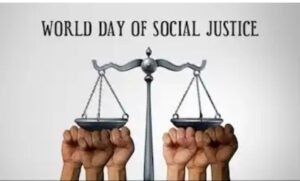
Democracy and Common Law Frameworks: The United Kingdom exemplifies a democracy that operates without a unified, written constitution. Instead, it relies on an unwritten constitution composed of statutes, common law, conventions, and key historical documents such as the Magna Carta (1215) and the Bill of Rights (1689). These components collectively uphold principles like parliamentary sovereignty and the rule of law, guiding the democratic process without a singular codified document.

Like the UK, other democracies also function without a single formal constitution:

  • New Zealand: Governed by a combination of statutes, such as the Constitution Act 1986, common law, and established conventions, New Zealand lacks a consolidated constitutional document.
  • Israel: While it does not possess a comprehensive written constitution, Israel operates under a series of Basic Laws that act as a de facto constitutional framework, supporting its democratic governance and parliamentary practices.

These nations illustrate how democratic systems can thrive on a foundation of evolving legal traditions and legislative frameworks, in contrast to countries like the United States, which adheres to a rigid, written constitution.

انگلستان به‌عنوان یک نمونه برجسته از کشورهای دموکراتیک شناخته می‌شود که فاقد قانون اساسی مکتوب واحد است. این کشور با استفاده از یک قانون اساسی نانوشته عمل می‌کند که متشکل از قوانین مصوب، حقوق عرفی، قراردادها و اسناد تاریخی مانند مگنا کارتا (۱۲۱۵) و منشور حقوق (۱۶۸۹) است. این عناصر به‌طور مجموع نظام دموکراتیک کشور را که شامل حاکمیت پارلمانی و حاکمیت قانون است، هدایت می‌کنند، بدون اینکه در یک سند واحد مدون شده باشند.

دیگر دموکراسی‌هایی که فاقد قانون اساسی مکتوب واحد هستند عبارتند از:

  • نیوزیلند: دارای قانون اساسی است که بر پایه قوانین مصوب مانند قانون اساسی ۱۹۸۶، حقوق عرفی و قراردادها استوار است، اما فاقد یک سند قانون اساسی رسمی واحد است.
  • اسرائیل: دارای مجموعه‌ای از قوانین اساسی است که به‌عنوان قانون اساسی جزئی عمل می‌کنند، اما فاقد یک قانون اساسی مکتوب جامع است و دموکراسی آن بر پایه این قوانین و رویه‌های پارلمانی استوار است.

این کشورها به سنت‌های حقوقی در حال تحول و چارچوب‌های قانونی متکی هستند تا سیستم‌های دموکراتیک خود را حفظ کنند، در حالی که کشورهایی مانند ایالات متحده دارای قانون اساسی مکتوب و رسمی هستند.
Similar Posts

  • So……. What to do, Decision is yours? Part IV

    The Dual Nature of Demagoguery: American Lovers or American Haters? Democracy is often lauded as a politically superior and adaptable system, capable of self-correction. Yet, the resilience of American democracy faces challenges from the tolerance and forgiveness extended to those undermining communal values. This is intensified by the surge of demagogues exploiting political vilification, exaggerating…

  • Measured Immigration

    What is Measured Immigration? measured immigration encompasses various aspects, Governments and research organizations gather data through censuses, surveys, and administrative records. This data often includes demographics, employment status, education levels, and reasons for migration. Immigration can be categorized into different types, such as: A-Economic Migration: Individuals move to find better job opportunities or improve their…

  • New order

    In the past, during an era when the United States was a vocal proponent of political freedom, it actively encouraged a global shift towards democratic governance. Countries like Iran, Philippines, Nicaragua, Venezuela, and several Arab nations found themselves under intense pressure to adopt democratic systems. Despite the well-intentioned pushes, the democratization efforts encountered significant obstacles….

  • Lessons Not Learned: Iran’s Global Terrorism Network and the Inadequacies of Western Responses

    Despite numerous security and punitive measures implemented by Europe and the United States, a lack of unity and disparity in decision-making has often hindered their effectiveness. This inconsistency in policies has inadvertently emboldened the Islamic Republic of Iran, allowing it to expand its activities not only in the Middle East but also in Arab countries…

  • Beyond Religion

    Unpacking the Multifaceted Decline of Islamic Empires Through Political, Economic, and Military Lenses While religious factors played a role in the decline of some Islamic empires, it’s not the sole determinant of their fate. Here are some additional factors to consider which indirectly being effected by the Islamic doctrine. Political and Social Fragmentation: Many Islamic…

  • The world without Islamic Iran

    Imagine a world where the Islamic Revolution in Iran never occurred. Without Ayatollah Khomeini’s rise to power, the political landscape of the Middle East might look vastly different today. The absence of an Islamic Iran might have prevented the rise of political Islam that has significantly shaped the region. Potentially, this could have avoided conflicts…

Leave a Reply

Your email address will not be published. Required fields are marked *

Seraphinite AcceleratorOptimized by Seraphinite Accelerator
Turns on site high speed to be attractive for people and search engines.