Rethinking democracy and Capitalism
The political landscape of the Middle East has dramatically transformed, resembling a roller coaster on a precarious and outdated track. This tumultuous journey is fueled by the region’s abundant oil reserves, propelling it forward at breakneck speed, hurtling towards an eventual and likely catastrophic derailment. In contrast to the current scenario, the world’s governments, politicians, and policymakers in the past were more adept at recognizing and confronting the deceptive, dual-faced nature of communism. This vigilance contributed significantly to the dissolution of the Soviet Union and the subsequent rise of capitalism within China.
The pivotal events of the 1970s in Afghanistan and the wider Middle East introduced Islamic movements that promised an idyllic Islamic society and advocated for the protection of impoverished and marginalized groups, communities, or nations. These movements garnered considerable support not only among local populations but also from many Western governments. This widespread acceptance occurred despite a well-documented history of atrocities committed by political Islamists.
The promise of an Islamic utopia appealed to many who felt disenfranchised or subjugated by existing power structures. Consequently, these movements offered a vision of societal reform and justice that resonated deeply with myriad communities. Western governments, eager to counterbalance Soviet influence during the Cold War era, often turned a blind eye to the darker facets of these movements, unwittingly fostering conditions that would later contribute to regional instability.
One might repeatedly inquire about the factors which led Western governments to overlook the unwelcome movements and the pernicious spread of political Islam, along with its contemporary repercussions. Unlike communism, the general populace, politicians, and governments hold a certain affection for religions, often perceiving them as infallibly linked to the divine. Indeed, this perception casts religions in a benign light.
Reflecting on historical perspectives, philosophers like Plato and Socrates contended that the evolution of democracy is both inevitable and dynamic. They warned about the potential transformation towards liberal democracy, characterized by the emergence of a “mass majority” and demagogues, which could degrade democracy into a mere political spectacle. These demagogues, operating under the guise of “freedom of choice” and “freedom of religion,” risk establishing an internationalist system devoid of a genuine understanding of political Islam, conceivably akin to communism in its governance and intentions.
Michael Crawford and Jami Miscik, in their insightful 2010 article, identified “mezzanine rulers” as figures who wield influence between governments and citizens, often championing ethnic, religious, or political causes. Unlike Crawford’s mezzanine rulers, certain figures, whom I term “isthmus rulers” function almost as a true and in some cases as a shadow government. These entities exhibit authoritarian tendencies and revel in chaos and corruption. Unlike established states, they lack organized national armies and law enforcement. Instead, they employ mercenaries and henchmen, who lack genuine loyalty or proper affiliations.
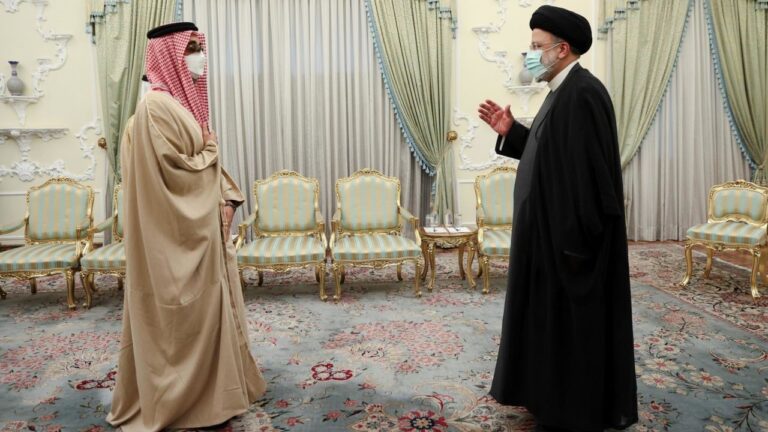
The Islamic Republic of Iran, the Assad government of Syria, and Hezbollah in Lebanon exemplify a specific form of governance I referred to as “Isthmus rulers.” This term describes a governing style that operates like a “bottleneck,” where a small, ruthless minority compounds control through terror, systematically impoverishing and disenfranchising the majority. This form of rule engenders a facade of organization and power; however, the reality is that these regimes are inherently fragile, plagued by internal disunity and a pervasive fear of their precarious existence. They heavily rely on mobs and mercenaries, whose loyalty fluctuates and is easily swayed by higher bids, thus underscoring the regime’s inherent instability. A small faction of loyalists exists within these regimes, yet they are often uneducated, lacking awareness, and primarily serve as expendable foot soldiers.
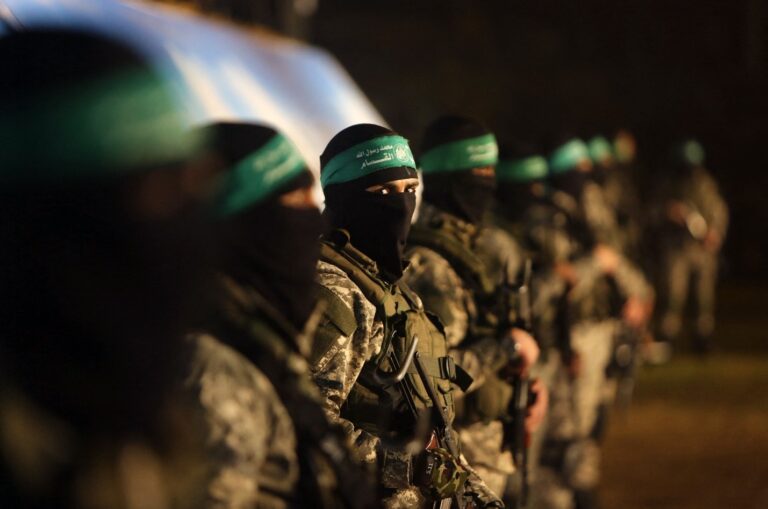
Isthmus rulers frequently engage in creating instability across regions, violating international norms, and disrupting global trade through acts of terrorism, hostage-taking, and trafficking in drugs and humans. The persistence and sometimes thriving nature of these terror-inducing governments can be attributed to the myopic and short-sighted strategies of the free world. For instance, under President Obama, the United States transferred over $150 billion to the Islamic Republic of Iran, which subsequently funded groups like Hamas and Hezbollah, contributing to increased global conflicts and destabilization. This financial support inadvertently emboldened these entities, leading to further turmoil and insecurity worldwide.
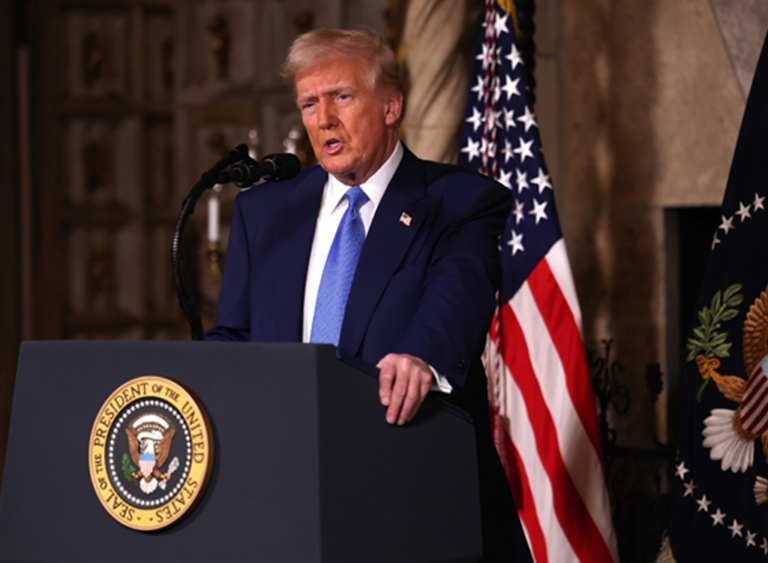
Unfortunately, the lessons from these actions went unheeded, as demonstrated by President Biden’s administration, which allocated more than $60 billion to the Islamic regime. A portion of these funds was reportedly used to interfere in American elections, posing significant risks to the integrity of democracy. At this pivotal juncture, both the global community and particularly the United States face crucial decisions impacting the future of democracy.
Many calamities unfolding in the Middle East, including Gaza and Syria, directly correlate with flawed foreign policies implemented over the past fifty years. These shortsighted and poorly conceived policies have not only led to a less safe world but also to mass killings, mass migrations, and the embodiment of authoritarian regimes like Russia and China. Both countries now openly challenge the efficacy of democracy and capitalism, citing these systemic failures. It is imperative for America to reassess its position and adopt a comprehensive, 360-degree strategy to address past mistakes and stave off greater global catastrophes. Only then can the U.S. prevent further destabilization and fortify the principles of democracy and human rights around the world.