Iran’s Expanding Influence and Nuclear Ambitions: Navigating International Tensions and Diplomatic Challenges
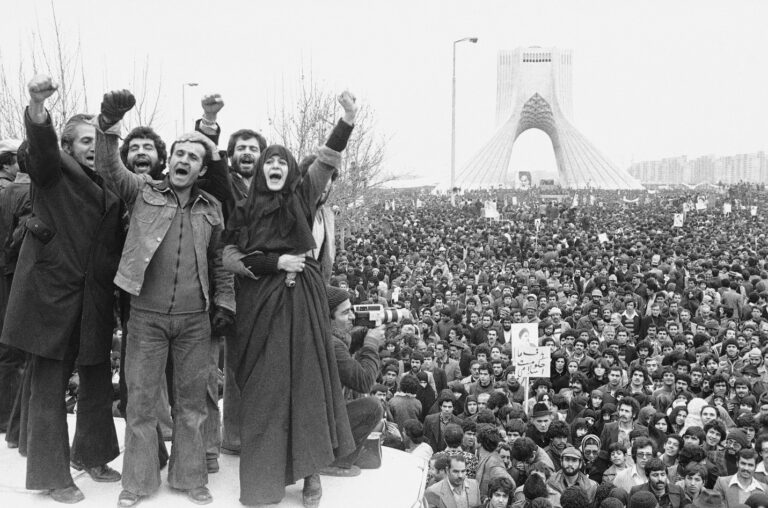
The recent activities of the Islamic Republic of Iran have sparked considerable debate and concern on an international scale. Particularly troubling are the apparent maneuvers to influence Muslim communities in major Western cities—such as Paris and London—as well as the broader implications these actions may have for international diplomacy and security, notably in the United States.
The unrest has escalated to the point of property damage and the tragic loss of life, deepening already existing tensions and highlighting the complex interplay between local communities and state-sponsored international strategies. These incidents underline the depth and breadth of Iran’s reach and influence, suggesting a concerted effort to assert its ideology and power beyond its borders, leveraging diaspora and sympathetic communities abroad.
Furthermore, Iran’s nuclear ambitions continue to be a focal point of global anxiety. The nation’s covert nuclear program and what many perceive as deceptive conduct in nuclear negotiations pose a considerable threat to global stability. This breach of international protocols stirs distrust among Western powers and neighboring countries alike, raising alarms over potential nuclear proliferation.
The international community also remains deeply concerned about Iran’s human rights record, particularly in relation to the detention of Western citizens. These detentions, often cited as politically motivated and aimed at extracting concessions from Western governments, contribute to an atmosphere of hostility and suspicion. Additionally, the regime’s treatment of its own citizens—ranging from suppression of dissent to outright violence—only further tarnishes its international standing.
As nations grapple with these issues, the need for a measured yet firm response becomes apparent. The challenge lies in addressing immediate security concerns and human rights abuses while also engaging in long-term strategies to encourage Iran towards more constructive engagement with the global community. This balancing act continues to test the diplomatic acumen of involved states, urging an international approach that combines pressure with dialogue to foster stability and respect for fundamental rights.